





Coffee beans vs coffee capsules which is better?
Coffee is a daily ritual for millions of people. For serious coffee drinkers, it can even be a small art form.
The quick answer: Whole coffee beans generally offer better flavour, fresher taste and lower cost per cup than capsules. Coffee capsules offer speed, consistency and far less mess. The right choice depends on how much you value flavour control over convenience.
But when it comes to your morning brew, there are two main camps: coffee beans and coffee capsules. So which one wins, and what are the real differences between them?
To help you decide, I'll compare the two and outline their pros and cons. Then you can choose the best option for your routine.
Also, if you enjoy coffee, I'll share a few tips. These will help you get the most out of your brew.
What Do Coffee Beans Offer?
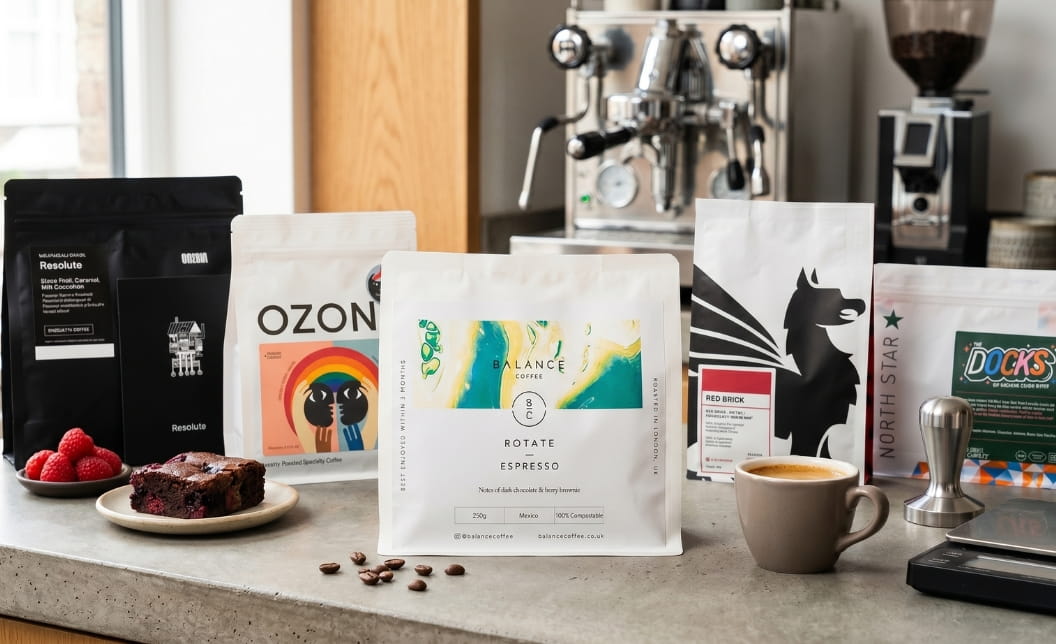
Coffee beans have a deeper, richer, full-bodied flavour that ground coffee cannot match. (I've also written about the best ground coffee beans UK here.)
Whole beans retain more of the coffee's natural oils than pre-ground coffee. Those oils carry most of the flavour, so grinding fresh releases a fuller cup.

A good cup starts with grinding fresh each morning. I've also covered some of the best coffee drinks in the world if you want to explore your options.
The finer the grind, the more intense the flavour. It can also turn more bitter, so this is worth balancing to taste.
This flexibility suits people who like to customise their coffee to their own preferences.
You can even buy coffee beans online, so your cup is always made from fresh, quality stock.
I also have a detailed article on where to buy coffee beans if you'd like some direction.
Beans also offer a wide range of flavours, from light and acidic blends to dark, robust roasts.
With so many sources to choose from, you can find one that suits your taste. That way, you get the most out of every cup of fresh roasted coffee beans.
Of course, freshness comes with a bit of hassle. Each morning, you'll need to grind and measure your beans, or store them in an airtight jar.
You can read my article on the best coffee storage container if you'd like to get one for yourself.
The technique isn't complex, but it does need a bit of care and attention.
Pros and Cons of Coffee Beans
There's no one-size-fits-all coffee recipe. Depending on your preferences and needs, coffee beans may be the better fit. Here's a look at the pros and cons.
The Pros of Coffee Beans
With whole beans, you have more control over your coffee's flavour. Here are the pros in brief:
- Freshness: Beans are the freshest way to get your morning fix. Grinding just before brewing gives a better-tasting cup than store-bought grounds.
- Choice of roast: Beans come in a wide range of roasts. That gives you more control over flavour, so you can experiment to find your perfect blend.
- Variety: Not all coffee tastes the same. Try beans from different origins for a different experience each time.
- Cost savings: One bag of beans makes many more cups than the same weight of capsules. Over time, that usually works out cheaper per cup. That gap matters more with bag prices up. Here's why is coffee so expensive in 2026.
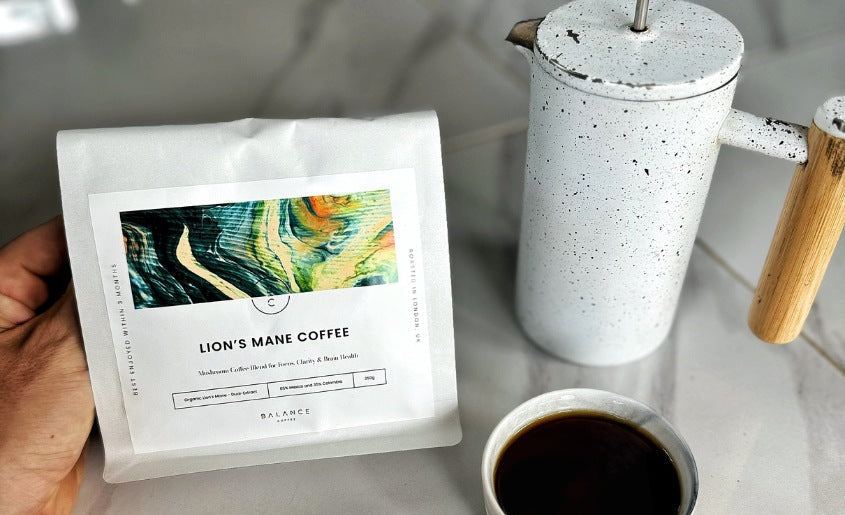
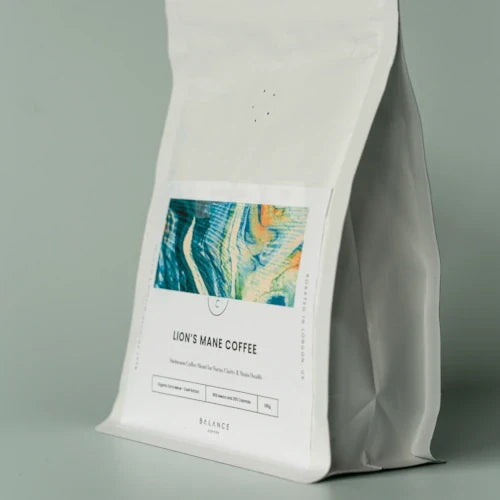
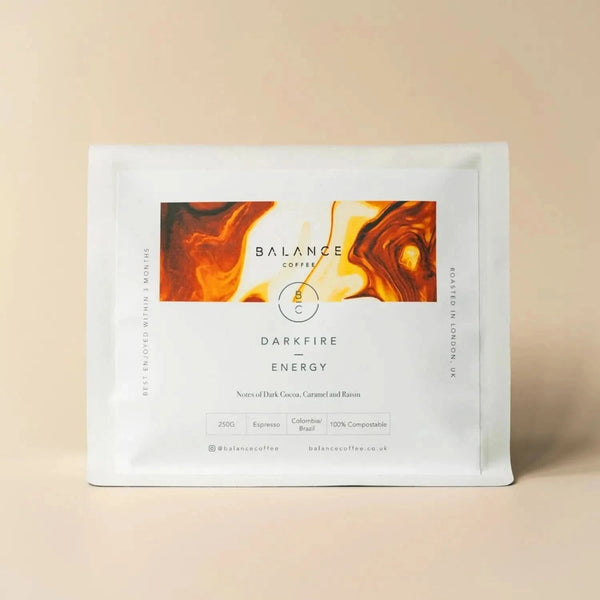
If you want to try health-focused coffee beans, every Balance Coffee bean is specially roasted for health, and it's free from mycotoxins, mould and pesticides.
The Cons of Coffee Beans
There are also some downsides to using coffee beans. Here's a look at the cons:
- Time-intensive: You have to grind your beans. That can take time if you don't own a grinder or you're in a rush.
- Messy: Electric grinders can create a lot of mess. This is worse if your grinder has no built-in container for the grounds.
- Quality issues: Flavour can suffer quickly if beans aren't stored well. Coffee can taste stale after just a few days, so buy from trusted sources.
- Storage: Beans need an airtight glass or ceramic container. This can take up more space than store-bought grounds or capsules.
How About Coffee Capsules?
Coffee pods and capsules do the same job: they let you make a cup of coffee quickly.
A capsule is usually a plastic or aluminium container that holds pre-ground coffee. The sealed material helps preserve the coffee's aroma and strength.

You can make espresso quickly with no grinding required. Insert the capsule, press the button, and your coffee is ready.
Pods come in a wide range of flavours and strengths, so there's something for most tastes.
Capsules are also airtight, which helps preserve the taste of each coffee blend with no mess.
Capsules also come in convenient sizes and shapes, so they're easy to store and transport. That's why they suit people who want a quick caffeine fix without having to grind.
It's worth noting that capsules are often more expensive than beans per cup. That's a real cost to factor into your decision.
Pros and Cons of Coffee Capsules
This brewing method has clear advantages and disadvantages. On one hand, coffee capsules are genuinely convenient.

The Pros of Coffee Capsules
Here are a few of the advantages:
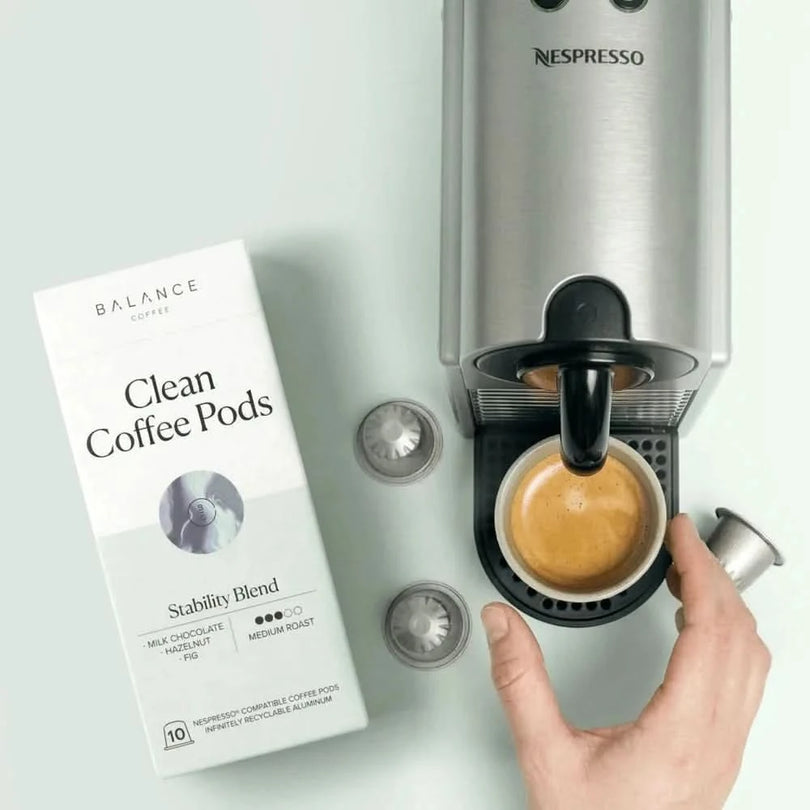
- Convenient: Insert a nespresso compatible coffee pod capsule of your preferred brew and press start. There's no grinding, measuring or mess.
- Pre-measured: Each capsule contains the exact amount of coffee for your cup.
- Wide variety: Capsules let you try several flavours without buying a full bag of beans, from espresso to mocha.
- Consistent: Each capsule is sealed to the same standard, so the strength stays consistent cup to cup.
The Cons of Coffee Capsules
There are some real drawbacks to using coffee capsules:
- Less fresh than beans: Capsules are pre-ground and can sit in storage before use. That means they're often less fresh than beans ground on the day.
- Fewer customisation options: With beans, you can adjust grind size and strength. With capsules, you're limited to what comes pre-packaged.
- Environmental impact: Many capsules use plastic or aluminium packaging. Read our guide on how to recycle coffee pods properly.
- Cost per cup: A bag of beans is usually cheaper per cup than single-serve capsules.
Environmental Impact: Which Has the Smaller Footprint?
This is one of the most common questions in the beans-versus-capsules debate, and the honest answer is that it depends on what you measure.
On packaging and waste, whole beans usually come out ahead. Capsules generate single-use plastic or aluminium waste, and even recyclable pods often need a dedicated collection point rather than a standard household bin.
On energy use per cup, some lifecycle studies actually favour capsule machines, since they heat only the water needed for one serving.
Batch brewing methods can use more water and energy than necessary if you're not making a full pot.
In practice, the biggest single factor in coffee's environmental footprint is growing and processing the beans themselves, not the brewing method.
If sustainability matters most to you, look for beans with a genuine commitment to sustainability and recycle any capsules you do use.
You can read more about our approach on our sustainability page.
Tips for Making the Most of Your Brew
Getting the most out of your coffee starts with the brew itself. Whether you use beans or capsules, these tips can help you perfect your cup.
Choose the Right Water
When brewing coffee, choosing the right water matters more than most people realise.
Tap water with a high mineral content can create an unpleasant taste in your cup.

Switching to filtered or distilled water is a simple fix. It gives your favourite brew a smoother finish.
Grind the Beans Right
If you're using beans, they need to be ground properly. I've written an article on the best coffee grinders UK if that would help.
Or read my article on the best burr grinders in the UK to find what works for you.

A burr grinder gives a more even grind than a blade grinder. This prevents over-extraction and helps you get a properly brewed cup.
The ideal grind size varies by brew method, but a medium-fine grind is a good place to start.
Measure the Grounds
The water-to-grounds ratio can make or break your morning cup.
For beans, try one tablespoon per six ounces of water for filter coffee, or one tablespoon per four ounces for French press coffee.
If you use capsules, this is done for you. Each capsule holds around 6 to 7 grams of espresso or 10 to 12 grams of regular coffee.
Invest in the Right Equipment
Whether you prefer beans or capsules, the right gear makes a real difference to your cup.

If you're a bean drinker, invest in a decent burr grinder to get the most from your beans.
If you prefer drip brew or French press, a good coffee machine helps those flavours shine.
If you're a capsule drinker, make sure your machine is compatible with your pod type. Not all machines are compatible with all capsules.
Experiment
Small changes to grind size and ratio can shift your flavour profile more than you'd expect.

Try a coarser grind for a bolder taste, or a finer grind for a smoother one. The same goes for water ratio: more for a milder cup, less for a stronger one.
Clean Your Equipment
Good coffee also depends on clean equipment, not just good beans and brewing.

Rinse filters and carafes after each use to stop bacteria building up. Give your grinder and brewer a deeper clean every so often too.
Frequently Asked Questions
Coffee capsules vs whole beans: what's the real difference?
Whole beans are unground and roasted for freshness, giving you full control over grind size and flavour. Capsules are pre-ground, pre-measured and sealed for convenience, trading some of that control and freshness for speed.
Is it cheaper to use coffee beans or coffee capsules?
Coffee beans are usually cheaper per cup than capsules. A single bag of beans makes far more servings than the same weight in capsules.
Do coffee capsules taste as good as fresh coffee beans?
Freshly ground beans generally give a richer, more complex flavour. Capsules can still taste good, especially if they're filled with quality coffee and used soon after opening.
Are coffee pods bad for the environment?
Pods create more single-use packaging waste than beans, though not all lifecycle studies agree on which method uses less energy overall. Recycling your pods where possible reduces the impact.
Can I use coffee beans in a pod machine?
No. Pod machines are designed for sealed capsules, not loose grounds. You'd need a bean-to-cup machine, grinder, or separate brewer to use whole beans.
How long do coffee beans stay fresh compared to capsules?
Whole beans stay fresher for longer if stored in an airtight container away from light. Capsules are sealed at packaging, so they hold their freshness well until opened.
Which is healthier, coffee beans or coffee capsules?
Neither format changes coffee's core health profile on its own. What matters more is the quality of the coffee inside, and whether it's free from contaminants like mould or mycotoxin.
Conclusion
The debate between coffee beans and coffee capsules will probably never be settled, since people prioritise different things.
Considering the UK's coffee consumption statistics, which show that around 98 million cups of coffee are drunk daily, it's clear why people have strong preferences.
It really comes down to your own routine. Whichever you choose, a few simple habits will help each cup taste its best.
Start by investing in the right equipment, measure your grounds accurately, and keep your gear clean.
If you enjoyed this article, Balance Coffee has a coffee subscription worth a look, or you can shop our health-focused range of speciality coffee here.