






Learning how to store coffee beans well is the cheapest way to make your coffee taste better.
You paid for good beans. But a week in the wrong spot can leave them flat and dull.
The fix takes no special kit. It comes down to four things your beans can’t stand.

I’m James Bellis, founder of Balance Coffee, and I’ve worked in coffee for more than 14 years. Here’s how I keep beans fresh.
Short answer: Keep coffee beans sealed, dark, cool and dry, because air, light, heat and moisture make them stale. Buy only what you’ll use in about two weeks, and grind just before you brew. Skip the fridge, and freeze only in small, airtight portions.
So how do you keep all four away from your beans?
How Do You Store Coffee Beans?
You store coffee beans by keeping them away from air, moisture, heat and light. The National Coffee Association, a US trade body, calls these coffee’s “greatest enemies”. Each one speeds up the loss of aroma and flavour from the moment the bag is opened.
So what does how to store coffee beans to keep fresh look like in your kitchen? Six simple habits:

- Seal out the air. Use a container with a tight seal, or squeeze the air from the bag.
- Block the light. Choose an opaque tin or jar. The NCA says clear canisters let light in.
- Keep it away from heat. Not by the oven, on the microwave, in sunlight or on a hot coffee machine.
- Keep it dry. Coffee soaks up moisture and smells from the air around it.
- Buy little and often. Buy about two weeks’ worth at a time, in line with NCA advice.
- Grind when you brew. Whole beans hold their flavour longer than ground coffee.
The same goes for ground coffee and pods. A cool, dry kitchen cupboard is the best spot for all three.
Not sure which tin or jar to use? See the airtight containers we have compared.
Those rules tell you where to keep your beans. But how long do they stay at their best?
How Long Do Coffee Beans Last?
Once opened, roasted coffee beans are best used within about two weeks at room temperature. The National Coffee Association gives a range of one to three weeks for beans in an airtight container. Frozen beans can last three to four months.

The NCA gives these rough guides for opened coffee in an airtight container:
- Whole beans, room temperature: 1 to 3 weeks
- Whole beans, fridge: about 2 weeks
- Whole beans, freezer: 3 to 4 months
- Ground coffee, room temperature: 1 to 2 weeks
- Unopened beans or ground coffee: until the best-before date
Those times are about flavour, not safety. So, how long before they actually go bad?
Kept dry, they don’t usually turn unsafe. So do coffee beans go off? Not really, they just go stale.
Good habits for how to store coffee beans help you get the most from that window. It also pays to know where to find freshly roasted beans in the first place.
The bigger question is why good beans fade at all. What actually makes coffee go stale?
Why Does Coffee Go Stale?
Oxygen is the main outside cause of stale coffee, says a Specialty Coffee Association literature review. It reacts with the oils and aromas in roasted beans. Heat and moisture then speed the process up.

The evidence?
- Oxygen: One study found each 1% rise in oxygen sped up staling by 10%.
- Air removed: Another found vacuum-packed coffee went stale five times more slowly than coffee packed in air.
- Timing: Roasted coffee loses gas and aroma fastest in its first few days of storage.
So every time you open the bag, fresh air rushes in. That’s why a tight seal matters more than anything else.
Cold slows these reactions down too. So should your beans live in the fridge?
Should You Store Coffee In The Fridge?
No, the fridge isn’t a good place for coffee beans you use every day. Coffee soaks up moisture and smells from the air around it, and a fridge is full of both. Each time you take the beans out, water can condense on them as they warm up.

The NCA’s own guide gives fridge-stored beans about two weeks. That’s no better than a cool, dark cupboard.
So I’d only use the fridge if your kitchen gets very hot. Even then, use a truly airtight container.
The freezer is a different story. It can keep coffee for months, if you do it right.
Can You Freeze Coffee Beans?
Yes, you can freeze coffee beans, and they can keep their flavour for three to four months. The trick is to keep out air and damp. Use a truly airtight container, and take out no more than a week’s worth at a time.

Freezing is a useful part of how to store coffee beans for longer. The NCA notes there are differing views on freezing coffee. But if you do keep coffee beans in the freezer, these steps help:
- Split the beans into small, airtight portions before freezing.
- Take out only what you need for the next week.
- Put the rest back quickly, before condensation forms on the beans.
Then there is a bonus.
A 2016 study in Scientific Reports found colder beans gave a more even grind. So you can grind straight from frozen. If the taste changes, check you’re using the right grind size.
Whole beans are the easy part, though. Ground coffee needs a little more care.
How Do You Store Ground Coffee?
Store ground coffee the same way as beans: airtight, cool, dark and dry. But use it faster, ideally within two weeks of opening at most. Grinding exposes far more of the coffee to air, so it goes stale sooner than whole beans do.

Research backs this up. One study in the SCA review looked at heat. Ground coffee was about twice as sensitive to it as whole beans.
Moisture matters too. A 2006 study found damper ground coffee lost its aroma faster than drier coffee did.
So if you want to know how to store coffee grounds, the honest answer is not for long. Buying whole beans and a good coffee grinder gives you the freshest cup.
Damp coffee goes stale faster. But can it go one step further and grow mould?
Can Coffee Go Mouldy?
Yes, coffee can go mouldy, but only if it gets damp. Roasted coffee is very dry, so mould struggles to grow on it. The risk comes when coffee gets wet, sits somewhere humid, or picks up fridge condensation.
Consider the numbers.

In the 2006 study, sealed ground coffee had a water activity of 0.09. Water activity measures how much free water a food holds.
A food safety guide from the Government of Manitoba says most moulds need a water activity of 0.80. A few specialist moulds can grow at about 0.60. Dry coffee sits far below both.
So could the coffee in your cupboard go mouldy? Only if water gets in. Throw it away if you notice any of these:
- A musty or damp smell
- White, green or fuzzy spots
- Beans or grounds stuck together in clumps
Mould you can see at home is different from the mould toxins that can form on the farm. Those are invisible. Our guide to mould in coffee explains how they get there.
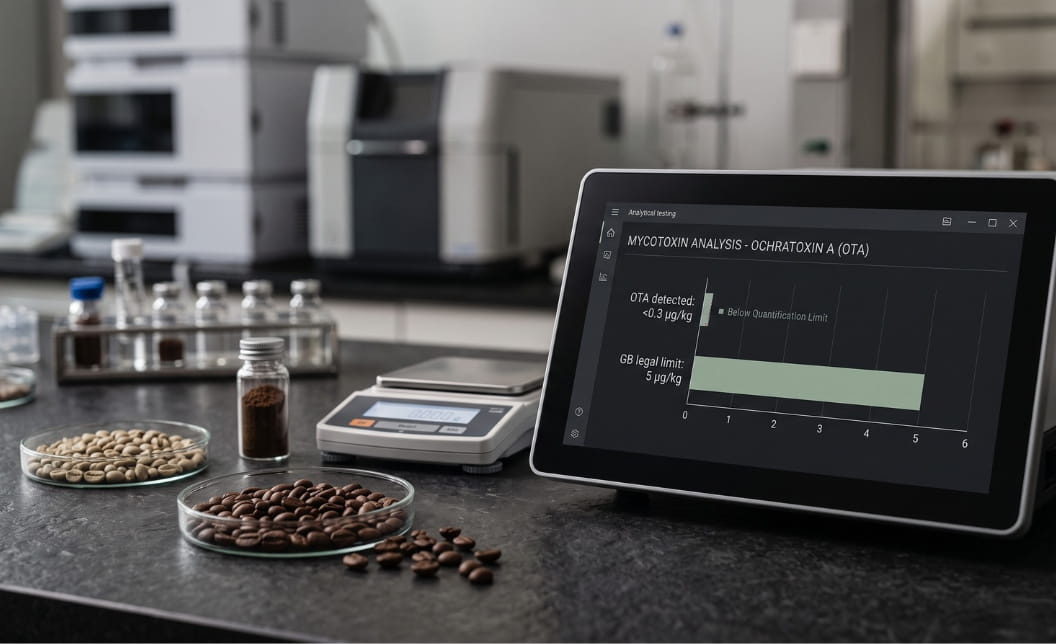
The only way to check for farm toxins is a lab test. You can read our independent lab results in full. They came back with all results within limits for the sample tested.
So the biggest risk to your beans starts the day you open the bag. What should you do from then on?
How Should You Store Coffee Beans Once Opened?
Once opened, move your beans into an airtight, opaque container, or seal the bag tight. Keep them in a cool, dark cupboard away from the oven. Then aim to finish them within about two weeks, while they still taste their best.

Here’s how to store coffee beans once opened, step by step:
- Press out as much air as you can.
- Seal the bag tightly, or tip the beans into an airtight, opaque container.
- Put them in a cool, dark cupboard, away from heat and damp.
- Grind only what you need, just before you brew.
- Freeze any beans you won’t use within two weeks.
At home, I keep my own beans in an airtight container, sealed tight. Vacuum-sealed is even better, because it keeps oxygen out.
That matches the vacuum-pack research I covered above.
At our roastery, we keep coffee in temperature-controlled storage. That helps stop mould from growing before the coffee reaches you.
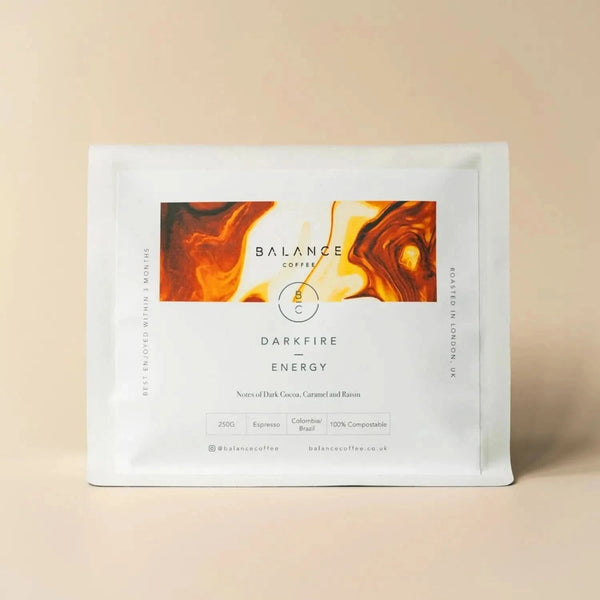
Our bags have a one-way valve and a resealable zip. The valve lets gas from fresh coffee escape. The zip lets you close the bag tightly after each use.
The other half of keeping beans fresh is buying less at once. We usually dispatch orders placed before 12pm, Monday to Friday, on the same day. UK delivery usually takes two to three working days.
So ordering a smaller bag every couple of weeks works well. Our guide to UK coffee subscriptions shows how others do it.
Those are the main rules. But can beans go off, and is the bag or a glass jar good enough?
FAQs
Do coffee beans go off?
Coffee beans don’t usually go off in a way that makes them unsafe, if they stay dry. They go stale instead, and opened beans taste best within about two weeks. If beans smell musty or show fuzzy spots, they have got damp, so throw them away.
Can you use coffee beans after the best-before date?
Yes, coffee beans are usually safe after the best-before date if they’ve stayed dry and sealed. A best-before date is about quality, not safety, so the coffee will just taste flatter. Check for a musty smell or fuzzy spots first, and throw the beans away if you find either.
Is it OK to keep coffee in the bag it came in?
Yes, if the bag seals tightly and blocks light, and you press out the air each time. The National Coffee Association suggests moving coffee into an airtight, opaque container instead. A clip on a loose bag lets air creep in, so the beans will go stale sooner.
Should you store coffee beans in a glass jar?
Only if the jar is airtight and kept in a dark cupboard, away from heat and damp. Clear glass lets light reach the beans, and the NCA warns that light can harm their taste. An opaque tin or ceramic jar with a tight seal is the safer choice.
Every answer above points back to the same few habits. So which ones matter most?
Conclusion
Knowing how to store coffee beans comes down to four enemies: air, moisture, heat and light.
Keep beans sealed, dark, cool and dry. Buy only what you’ll use in two weeks, and grind just before you brew.
Skip the fridge. Freeze only in small, airtight portions.
Want to start with fresh, lab-tested beans? Browse our mould free coffee collection, then use these steps to keep it tasting its best.