






Coffee research has moved on a long way since this article first went live.
Several of the biggest studies on the topic have landed in the last two years alone.
We have read through them and pulled out what actually holds up.
Everyone has a different attitude toward coffee and its consumption. For some of us, it is a necessity every morning.
For others, it is an occasional drink, or something that never becomes part of their lifestyle at all.
Below are five of the most researched health benefits of coffee when it is consumed daily. We have covered why organic coffee is better for you and the planet separately.
Not into coffee yet, but tolerate caffeine fine?
It is worth understanding what the evidence does and does not show. You can then decide whether a daily cup earns a place in your routine.
The short answer
Moderate coffee drinking is linked with lower rates of type 2 diabetes. That is roughly two to four cups a day. It is also linked with lower all-cause mortality. Most of this evidence is observational, so it shows association rather than cause. How you drink it matters. Added sugar weakens the association, and unfiltered brews raise LDL cholesterol.
Top 5 Most Interesting Health Benefits to Coffee Drinkers
1. Enhance Brain Function
A cup of coffee does more than wake you up. Population research has linked regular coffee drinking with better short-term memory and attention. Caffeine blocks adenosine, the compound that builds up during the day and makes you feel tired.
Coffee drinking has also been linked with better mood across large observational studies. That said, both findings are broad population-level associations rather than guaranteed effects. Coffee is not a treatment for low mood, and it should never replace proper medical support.
However, the coffee you choose matters, as do the roasting and brewing methods behind it.
Let us break that down.
Quality Coffee
Firstly, buying coffee that has been tested for mould, mycotoxins and pesticides is a real differentiator. Mycotoxins are toxic compounds produced by mould. They form when beans are stored or dried in damp conditions.
Our own coffee was lab-tested by P.H. s.r.l. and TÜV SÜD in November 2024. Results came back clear across pesticides, aflatoxins, OTA, mould and yeast, and heavy metals. OTA came back below the detection threshold, against an EU limit of 5 µg/kg.
You can read our independent lab results in full. This is about reducing your daily toxin exposure through a cleaner product. It is not a claim about doing anything inside your body.
This is also why readers ask us whether Lavazza coffee is mould free. Testing is the only way to answer that question about any roaster.
Roasted Coffee
Secondly, roast level changes coffee's antioxidant profile. Lighter roasts retain more chlorogenic acid, one of coffee's main polyphenols. A 2025 analysis in the International Journal of Food Science and Technology measured this. Dark Italian roasts lost over 90% of their chlorogenic acids.
Here is where it gets interesting. Roasting also creates melanoidins, which have antioxidant activity of their own. Total antioxidant capacity therefore stays fairly stable across roast levels, rather than simply falling as beans get darker.
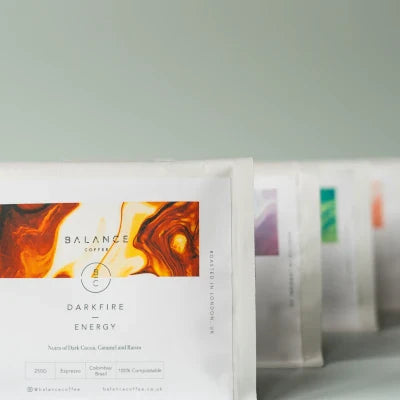
At Balance Coffee we roast medium-light. That choice is about retaining chlorogenic acid and sweetness in the cup. It applies across our speciality beans.
Drink Choice
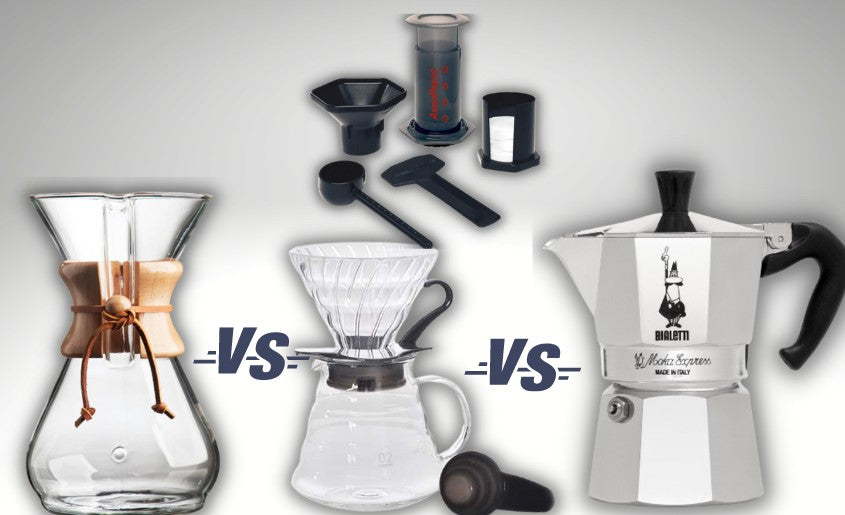
Your brew method genuinely changes what ends up in the cup. Paper filters trap cafestol and kahweol, two compounds known to raise LDL cholesterol. Espresso, cafetiere and boiled coffee let far more of them through.
A 2025 Uppsala University study measured this directly. Paper-filtered home brews contained roughly 12 mg/L of cafestol. Boiled coffee contained 939 mg/L.
So if you are managing cholesterol, filter coffee is the safer default. For everything else, the difference between espresso, filter and cafetiere matters far less than total intake does.

2. Improve Your Workout Performance
Coffee will not make you fit on its own. However, it is a well-evidenced way to stay energised and motivated through a session.
Caffeine's effect on physical and mental output is one of the better-supported findings in sports nutrition. If you are sensitive to it, though, you might consider switching to decaf instead.
A shot of espresso or a flat white also helps you overcome tiredness. That is often what keeps people out of the gym. Timing and dose both matter here.
You may also have wondered, is coffee good for gut health? There is evidence that it does.
For example, drinking one espresso 45 to 60 minutes before training delivers roughly 100mg of caffeine. That is enough to carry most people through a long session.
3. Quality Nutrients & Weight Loss - The Health Benefits of Coffee
Coffee beans contain useful vitamins and minerals. These include vitamins B2, B3 and B5, plus manganese, magnesium and potassium.
The doses are modest. Even so, they are worth counting as part of a balanced diet rather than dismissing entirely.
Caffeine also raises your metabolic rate slightly for a few hours after drinking. However, that effect is small. It is nowhere near large enough to drive meaningful weight loss on its own.
We are not suggesting anyone drinks coffee to lose weight. Adding sugar, syrup or full-fat creamer cancels out the modest effect anyway. Diet and regular exercise remain the things that actually work.
4. Coffee and Detox: What Antioxidants Actually Do
Coffee is a meaningful source of dietary antioxidants for most UK adults. For many people it is the single largest source of polyphenols in their diet. Those same compounds are why coffee shows up so often in nutrition research.
Across the wider research literature, regular coffee drinking has been associated with lower rates of several conditions. These include some cancers, depression and neurodegenerative disease.
However, the evidence quality varies a lot by condition. These remain associations rather than proof of cause.
No single cup changes anyone's individual risk. Coffee is not a treatment or a preventative, and it should never be treated as one.
Coffee's nutrients also have applications beyond drinking it. Used grounds turn up in scrubs aimed at skin, scalp and hair.
There are several studies looking at coffee for exfoliation, acne and blood flow. Caffeic acid, an antioxidant in coffee, may support collagen levels in early topical research.
Further research is needed before any of that is settled. We also cover coffee and kidney health separately. The kidneys filter waste from the bloodstream.
To be clear on one point. Coffee does not detoxify your body, and no food or drink does. Your liver and kidneys handle that job themselves.
What coffee may do is support those organs while they work. We look at what coffee does to your liver in more depth elsewhere.
Choosing a lab-tested coffee reduces what you are exposed to in the first place. That is a different thing entirely.
 Use A Coffee Scrub On Your Skin
5. Lower Risk of Type 2 Diabetes
A study led by Harvard School of Public Health tracked more than 120,000 people. Over four years, some added more than one cup daily. Their risk of type 2 diabetes fell by 11%.
Those who cut back by a cup a day saw risk rise by 17%. The study was published in Diabetologia in 2014, and remains one of the most cited on the topic.
Compounds called quinides and chlorogenic acid are thought to be behind this. They appear to help the body process glucose more efficiently. Caffeine itself seems to play a smaller role.
One caveat matters here. That change effect applied to caffeinated coffee only. Decaf did not show it in the same paper.
However, a 2014 Diabetes Care meta-analysis pooled 28 studies and over a million people. It found decaf linked to lower diabetes risk too, at roughly 6% per daily cup. So decaf remains a reasonable option if caffeine does not suit you.
We go further into coffee for people managing diabetes in a dedicated guide. It covers blood sugar in more practical detail.
But here is what recent research added. A 2025 American Journal of Clinical Nutrition study revisited the same US cohorts.
Adding sugar or artificial sweeteners significantly weakened the association. How you take your coffee changes the picture.
What the Latest Research Says
Three findings published since this article was first written are worth knowing about.
Timing may matter. A 2025 European Heart Journal study looked at US adults. Morning-only coffee drinkers had lower all-cause and cardiovascular mortality. All-day drinkers did not show the same pattern.
What you add matters. A 2025 Journal of Nutrition analysis covered 46,222 US adults. The mortality benefit concentrated in coffee with little added sugar or saturated fat. Black or lightly dressed coffee did better than heavily sweetened coffee.
The heart picture is mixed, not uniformly positive. A 2026 review in BMC Cardiovascular Disorders covered 38 studies and 2.8 million people. It found no significant link with coronary heart disease or heart failure. It found lower stroke and arrhythmia risk, but higher myocardial infarction risk in pooled analysis.
That last one is worth sitting with. Coffee research is not a one-way story of benefits, and honest reporting means saying so.
Our guide to coffee and heart health unpacks this in more detail.
How Much Coffee Is Safe?
The European Food Safety Authority reviewed this in detail. Up to 400mg of caffeine a day does not raise safety concerns for most healthy adults.
That works out at roughly four to five cups of brewed coffee. Single doses up to 200mg are also considered safe.
Pregnant and breastfeeding women should stay under 200mg a day. This matches current NHS guidance.
EFSA also notes that 100mg close to bedtime can delay sleep in some people.
Do you have a heart condition, take medication, or are you managing high blood pressure? Speak to your GP before changing your intake.
People Also Ask (FAQs)
How many cups of coffee a day is healthy?
EFSA considers up to 400mg of caffeine a day safe for most healthy adults. That is roughly four to five cups of brewed coffee. Single doses stay safe up to 200mg. Pregnant and breastfeeding women should cap intake at 200mg daily, in line with current NHS guidance.
Does coffee actually lower your risk of type 2 diabetes?
Large observational studies link higher coffee intake with lower type 2 diabetes risk. Harvard researchers found an 11% reduction among people who added a cup daily. However, 2025 research found added sugar and sweeteners weaken that association. These are associations, not proof that coffee prevents diabetes.
Is filter coffee healthier than espresso?
For cholesterol, yes. Paper filters trap cafestol and kahweol, two compounds that raise LDL cholesterol. Espresso and cafetiere coffee keep more of them. A 2025 Uppsala University study found paper-filtered brews contained far lower diterpene levels. For everything else, brew method matters far less than you might expect.
Does the roast level change coffee's antioxidant content?
Yes, though not in the simple way people assume. Lighter roasts keep more chlorogenic acid. Dark Italian roasts can lose over 90% of it. However, roasting also creates melanoidins, which carry antioxidant activity of their own. Total antioxidant capacity therefore stays fairly stable across roast levels.
Does coffee help you lose weight?
Not on its own. Caffeine raises your metabolic rate slightly and can improve exercise output. Neither effect is large enough to drive meaningful weight loss. Adding sugar, syrup or full-fat creamer easily cancels it out. Diet and regular activity remain the things that actually move the needle.
Is decaf coffee still good for you?
Yes. Decaf keeps the chlorogenic acids and other polyphenols found in regular coffee. A 2014 Diabetes Care meta-analysis found decaf linked to lower type 2 diabetes risk. It pooled 28 studies. Decaf suits anyone sensitive to caffeine, drinking late in the day, or managing an existing health condition.
Conclusion
Moderate coffee drinking sits comfortably within a healthy diet for most adults. The evidence for lower type 2 diabetes risk is genuinely strong. The evidence elsewhere is more mixed than headlines suggest.
So what does that mean for you? Drink it black or lightly dressed. Keep it under 400mg of caffeine. Use a paper filter if cholesterol is a concern.
At Balance Coffee, we focus on what we can actually control. That is sourcing, roasting, and testing for what should not be in your cup.
If you are still choosing, our roundup of the best UK coffee beans is a good next stop. We would love to hear how you get on.