






So, is organic coffee good for your heart?
Yes. In moderation, organic coffee can be good for your heart. It has antioxidants that help lower stress and protect blood vessels. It also has fewer pesticides than regular coffee. Drinking 3 to 4 cups a day is safe for most healthy adults. Too much can raise heart rate or blood pressure.
Last year, I decided to pay more attention to my heart.
And not because there is anything wrong with it.
But because I realised that it’s something you need to care for more intentionally as you age and especially as you head into your 30s, I’d say.
Issues like high blood pressure, high cholesterol, and inflammation tend to creep up on you if you’re not careful.
Then, I saw an article warning about caffeine and heart rate. Later that same day, I saw another headline saying coffee protects the heart.
It felt confusing…to be honest, I got alarmed.
I’m James Bellis, founder, barista, and coffee trainer. For over 12 years, I’ve worked with more than 100 roasters across the UK, brewing coffee for over 199,000 people. I also hold an SCA Coffee Skills Diploma, which reflects my love for healthy coffee.
So, instead of reacting to headlines, I decided to go on a truth spiral and find out the real deal: Is Organic Coffee Good For Your Heart?
The comforting answer I found: Yes, in moderation, organic coffee can actually be good for your heart.
But the devil is in the details. So, in this article, I’ll explain what’s really going on between coffee and your heart.
What Does Organic Coffee Contain That Affects Heart Health?
Let’s slow this down for a second.
When you drink organic coffee, you are not just drinking caffeine. You are drinking hundreds of natural plant compounds.
I used to think coffee was just about the buzz. However, it actually contains antioxidants such as chlorogenic acids and polyphenols.

And you and I both deal with stress daily.
That stress does not just affect your mood; it affects your body.
When stress builds up inside you, it can trigger inflammation.
Over time, that inflammation can damage blood vessels and strain your heart. This is where coffee gets interesting.
The antioxidants inside it help fight that internal stress.
According to Harvard Health, polyphenols and other antioxidants in coffee help reduce oxidative stress.
So when you drink it, you are not just waking yourself up. You are also giving your body compounds that help protect your blood vessels.
Less internal stress usually means better heart balance.
Now here is another layer.
Organic coffee is grown without artificial pesticides. So you are not adding extra chemical residues into your system.
Your body already works hard enough.
If you give it fewer unwanted chemicals to process, that is one less burden.
That is partly why researchers look into organic coffee cardiovascular benefits.
These natural compounds support circulation and vessel health.
So when you ask yourself, Is Organic Coffee Good For Your Heart?
It often comes down to what is actually inside the bean.
And what you choose to put into your body every single day.
Can Organic Coffee Improve Heart Health?
I am sure you’re wondering if your daily cup of organic coffee actually does your heart a favour?
In simple terms Yes, moderate coffee drinking has been linked to a lower risk of heart disease.

Researchers found that drinking 3-5 cups of coffee a day was associated with a lower risk of cardiovascular disease.
Harvard Health also reports that moderate coffee use does not increase heart disease risk as most people think.
Organic coffee also has compounds that help calm inflammation. And inflammation is one of those quiet things that builds up over time.
You don’t feel it day to day.
But chronically high inflammation is linked to heart disease.
So when you think, does organic coffee affect heart health, the answer depends on balance.
A moderate intake is supportive, but excessive intake may not be.
Can Organic Coffee Raise Blood Pressure or Heart Rate?
Okay, let’s talk honestly.
You drink your coffee, and sometimes you feel that little kick, right?
That slight buzz. Maybe your heart beats a bit faster.

That’s the caffeine.
When caffeine enters your system, it can raise blood pressure briefly, not dramatically.
Just a small, short spike.
Mayo Clinic even says caffeine may cause a temporary rise in blood pressure in some people.
But here’s the thing. If you drink coffee regularly, like you and I probably do, your body usually adapts.
That spike becomes less dramatic over time.
For most healthy adults, moderate coffee intake is considered safe.
Your heart is not fragile. It responds, then settles.
Now, if you’re wondering Is Organic Coffee Good for High Blood Pressure?, I’d be a bit more mindful.
Not anxious, just aware.
You could literally test it. Just check your reading before coffee, then again half an hour later.
That’s real feedback from your own body.
Also, timing matters more than we think. If you drink coffee on an empty stomach, it can hit harder.
You might feel jittery, so pair it with food, and it often feels smoother.
And if it ever feels too intense? You can go smaller and lower the caffeine. switch to decaf.
At the end of the day, I always say this. Your body tells you the truth. You just have to pay attention.
Is Organic Coffee Safer Than Regular Coffee for the Heart?
Let’s be honest.
When you think about coffee and your heart, you probably think about caffeine.
I used to as well.
But the bigger difference between organic and regular coffee often starts on the farm.

Conventional coffee can be grown with synthetic pesticides. Tiny traces may remain after processing.
Now, that does not mean your morning cup is dangerous.
But according to research, long-term pesticide exposure has been linked to inflammation and oxidative stress.
And inflammation is closely linked to heart disease
So when you switch to organic, what are you really doing?
You are removing one possible stress factor.
Organic farming avoids synthetic pesticides by regulation. That means fewer chemical residues in your cup.
Everything else, roasting and brewing, is mostly the same.
The key difference happens before the beans reach you.
Here is the simple breakdown:
|
Feature |
Organic Coffee |
Conventional Coffee |
|
Pesticide use |
No synthetic pesticides |
Synthetic pesticides allowed |
|
Fertilisers |
Natural compost |
Chemical fertilisers common |
|
Residue risk |
Lower |
Potentially higher |
|
Farming focus |
Soil health and natural methods |
Often yield-focused farming |
|
Certification |
Strict organic standards |
No organic requirement |
So, Is Organic Coffee Good For Your Heart?
Yes, because when we are talking about your heart, that small shift can matter.
How Much Organic Coffee Is Safe for Heart Health?
Let’s keep this simple. Organic coffee is still coffee.
So your heart reacts to caffeine, not the farming label.
Most research shows that 3 to 4 cups per day is safe for healthy adults. That equals roughly 300-400mg of caffeine.
For many people, that amount is associated with a lower risk of heart disease.
But here is the thing. You are not a statistic. And I am not either.
Your body will tell you what feels right.
If you feel steady and focused, you are likely within your limit. If you feel wired, shaky, or tense, you may be pushing it too far.
If not, you might start exploring whether decaf is better for heart health as a lower-stimulation option.
Caffeine can temporarily raise heart rate and blood pressure
Usually, this settles quickly. But if you already have high blood pressure, you may notice it more.
Here is a quick guide:
|
Daily Cups |
What It Means For You |
|
1 cup |
Very low stimulation, generally safe |
|
2–3 cups |
Moderate and safe for most |
|
4 cups |
Upper range for many adults |
|
5+ cups |
May increase jitters and heart rate |
|
6+ cups |
Higher chance of sleep and blood pressure issues |
You may need to cut back if you:
-
Feel your heart racing
-
Struggle to sleep
-
Feel anxious after coffee
-
Notice rising blood pressure
I always think of it this way. Organic helps reduce extra exposure.
But balance protects your heart. And balance is personal.
Who Should Be Careful Drinking Organic Coffee?
Let’s be real. Organic does not mean caffeine-free.
So for some of you, coffee needs a bit more thought. If you have high blood pressure, I would pay attention.

Caffeine can cause a short-term rise in blood pressure
For many people, it settles quickly. But if your readings are already high, you might notice a stronger spike.
I always say, test your response. Check your blood pressure before coffee.
Then check it again 30 to 60 minutes later. Your body will show you the pattern.
Now, if you have heart rhythm issues, like palpitations or atrial fibrillation, be cautious. Caffeine can trigger fluttering sensations in some people
Not everyone reacts the same.
But if you already sometimes feel irregular beats, coffee may amplify them.
And that can be uncomfortable.
This is when I would speak to a doctor.
Especially if:
-
You have been diagnosed with hypertension
-
You take heart medication
-
You have an arrhythmia
-
You feel chest discomfort after coffee
-
You are unsure how caffeine affects you
You do not need to panic. Many people with heart conditions still drink coffee safely.
But if you are unsure, get medical advice before making it daily.
Organic reduces chemical exposure. But caffeine is still active. And your heart deserves attention.
What’s the Best Way to Drink Organic Coffee for Heart Health?
When you ask yourself, Is Organic Coffee Good For Your Heart?, how you drink it really matters.
It is not just about the beans. It is about what ends up in your mug.
I always tell you this. Keep it simple.
The more extras you add, the more you change the heart impact.
Here is the easy breakdown:
|
Choice |
Why It Matters For Your Heart |
|
Drink it black |
No added sugar or saturated fat |
|
Use paper-filtered methods |
May reduce cholesterol-raising compounds |
|
Keep milk moderate |
Limits saturated fat intake |
|
Avoid flavoured syrups |
Prevents excess sugar spikes |
|
Skip whipped cream |
Reduces unnecessary calorie load |
|
Watch portion size |
Keeps caffeine intake balanced |
You do not need to overcomplicate it.
Organic coffee itself can fit into a heart-aware lifestyle. But if you turn it into a dessert every day, that is different.
I like to think of coffee as a clean base.
Then you decide whether to keep it supportive or make it heavier.
And most of the time, your heart prefers simple.
Organic Coffee vs Decaf – Which Is Better for the Heart?
This really comes down to caffeine. Some of you handle it welll while some of you definitely do not.
If your heart feels calm after coffee, regular organic may suit you.
If you feel wired or restless, decaf might be the better fit.

Decaf still contains antioxidants, even with most caffeine removed. So you are not losing everything beneficial.
You are mainly lowering stimulation.
When people ask, is organic coffee heart healthy, I usually say this.
It can be.
But only if your body tolerates caffeine comfortably.
If it does not, decaf may better protect your sleep and stress levels. And both of those matter for your heart.
Here is a simple comparison:
|
Factor |
Organic Regular Coffee |
Organic Decaf Coffee |
|
Caffeine level |
Moderate to high |
Very low |
|
Heart rate impact |
Can temporarily increase |
Minimal effect |
|
Antioxidants |
Present |
Still present |
|
Best for |
People tolerant to caffeine |
People sensitive to caffeine |
|
Sleep impact |
May be disrupted if late |
Less likely to disturb |
I always think of it this way. You do not choose based on trends.
You choose based on how your heart feels afterwards.
Conclusion
So, Is Organic Coffee Good For Your Heart? Here’s the balanced truth.
For most of you, yes.
If you are generally healthy, drink it in moderation and keep extras to a minimum, organic coffee can fit into a heart-conscious lifestyle.
It offers antioxidants and reduces pesticide exposure. And when consumed sensibly, it is not linked to higher heart disease risk in healthy adults.
But it is not a magic drink either. If you overdo it, ignore your sleep, or rely on sugar-heavy versions, that changes things.
You benefit most if you tolerate caffeine well and keep your intake steady.
If you have high blood pressure, rhythm issues, or caffeine sensitivity, you may need adjustments.
I always say this: Your heart responds to patterns, not perfection.
Choose clean beans, drink mindfully, and notice how you feel.
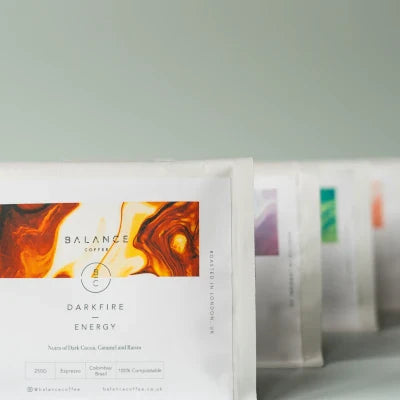
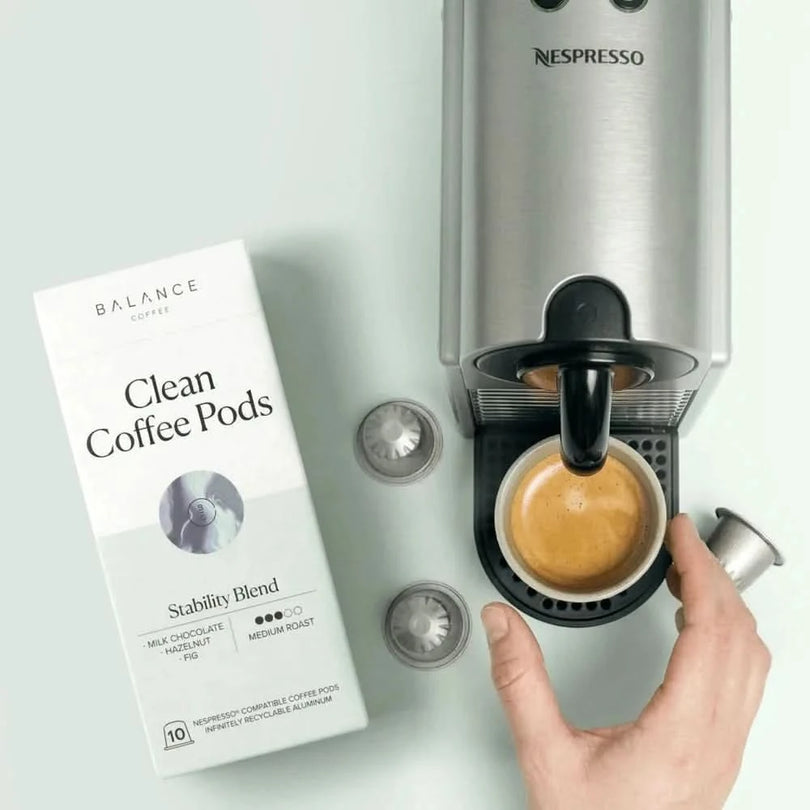
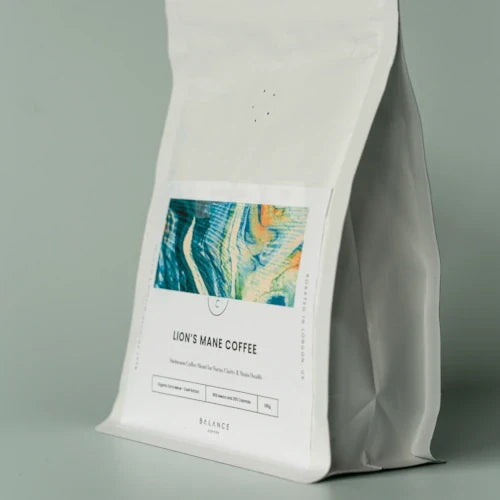
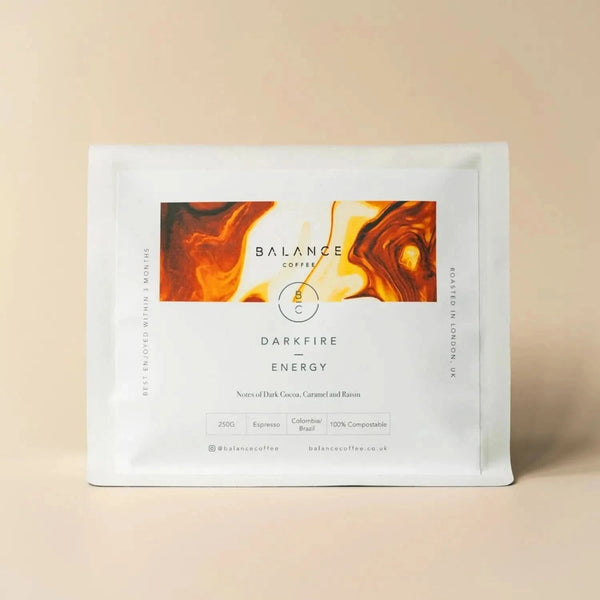
If you want a simple way to start, explore Balance Coffee's organic coffee collection and choose a quality option that suits your routine.