









So, is organic coffee good for you?
Organic coffee is good for you because it provides antioxidants like polyphenols and chlorogenic acid while reducing exposure to synthetic pesticides. A moderate intake of 2–3 cups daily supports heart health, liver function, and blood sugar balance, while offering smoother energy with fewer jitters than conventional coffee.
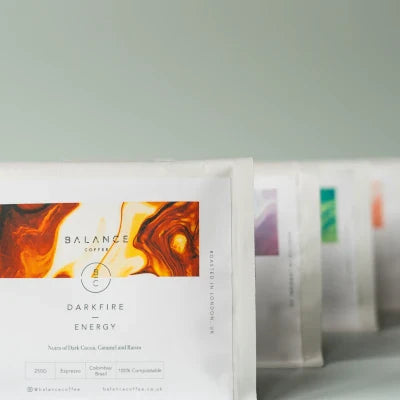
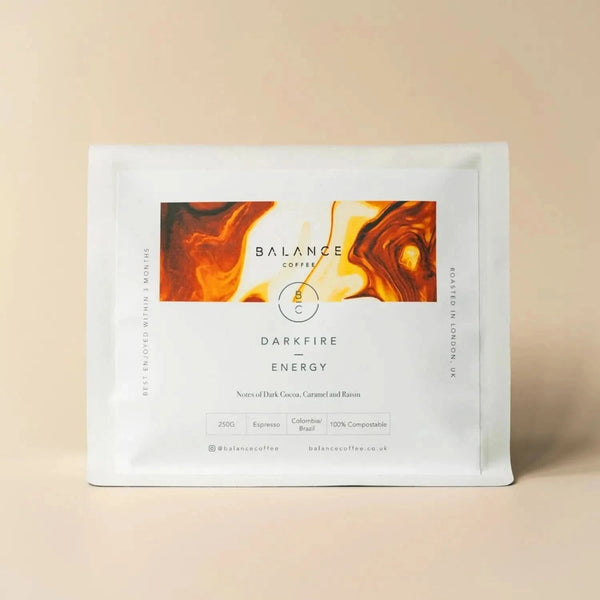
There is a short, direct answer that tells you everything you need to know and below is the organic coffee I have been drinking for 5+ years.

Seven years ago, I thought coffee was either good or bad for me.
It felt good because it helped me wake up, focus and honestly, power through the day.
And at times, bad because it felt too acidic, interfered with my sleep, and gave me jitters.
But I thought it was because of how and when I had my coffee.
After extensive research and speaking with several nutritionists, I realised the answer was much simpler.
It was actually about what goes on inside our coffee BEFORE it reaches our mug.
And that’s when the question, ‘Is Organic Coffee Good For You?’ really started to matter for me.
I’m James Bellis, founder of a healthy coffee business, professional barista, and coffee trainer. I’ve been in the coffee business for 12+ years, have worked with 100+ coffee roasters, and have spent more than a decade studying coffee.
Organic coffee is grown without synthetic pesticides, chemical fertilisers, or GMO methods.
On paper, that sounds like a better choice.
But you and I both know labels don’t always tell the full story.
In this guide, I’ll break down how organic coffee may affect digestion, heart health, blood sugar balance, and more, so you can decide if switching is actually worth it.
What Makes Coffee Organic?
When I say organic coffee, I’m not talking about some fancy label meant to upsell you.
It literally just means the coffee is grown without synthetic chemicals, artificial fertilisers, or GMOs.

And when you buy organic, there are actual rules behind it.
Like, farmers can’t just spray whatever’s lying around and hope for the best. They must adhere to strict USDA or EU standards.
According to Metagenics, instead of harsh chemicals, they’re using things like compost, coffee pulp, sometimes even chicken manure, not glamorous, but it works.
And if pesticides come into the picture, only organic-approved ones are allowed.
Another thing I love? Most organic coffee is grown under forest shade.
That matters more than people realise.
Those trees protect the soil, help plants survive unpredictable weather, and support wildlife.
When you choose organic, you’re not just doing something nice for your own body.
You’re supporting a more thoughtful way of growing coffee.
These are the explicit differences between organic and conventional coffee:
|
Feature |
Conventional Coffee |
Organic Coffee |
|
Toxins |
Can have pesticide residues |
Fewer toxins, cleaner beans |
|
Nutrients |
Lower levels of vitamins and minerals |
Higher in vitamins & minerals |
|
Antioxidants |
Moderate |
Packed with antioxidants |
|
Flavour |
Standard taste |
Richer, more complex |
|
Minerals |
Some potassium, magnesium |
More potassium, magnesium, riboflavin, niacin |
|
Overall Impact on You |
Just a caffeine kick |
Supports your body while energising |
Here are a few reasons why you should make the switch:
-
Less exposure to pesticides
-
Supporting sustainable farming
-
Packed with antioxidants and nutrients
-
Beans that often taste richer and more complex
General Health Benefits of Organic Coffee
Sure, organic coffee gives you caffeine, but that’s honestly the least interesting part.
The real organic coffee benefits go beyond just waking you up.

Healthline says organic coffee is rich in antioxidants, such as polyphenols and chlorogenic acid.These compounds also play a role in digestion, which is why many people ask is organic coffee good for gut health when improving their diet.
You also get that familiar mood and energy boost, but the best part?
It’s often a smoother lift without the jitters or crashes you sometimes get from conventional coffee.
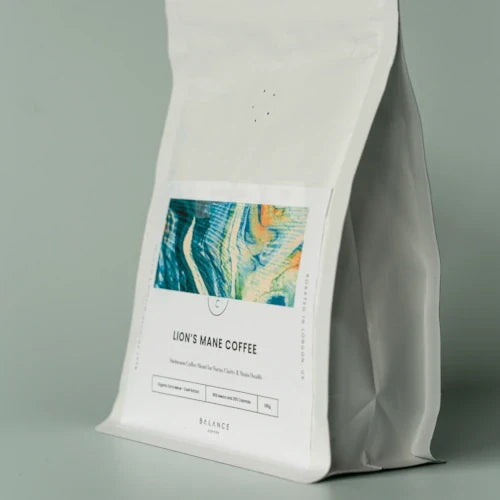
If you prefer brain support, some blends include adaptogens such as Lion’s Mane. But really, even regular organic coffee can boost your focus with its antioxidants.
Here’s a simple snapshot of what organic coffee might do for you:
|
Benefit |
How You Feel |
|
Antioxidant boost |
Helps fight cell damage and stress |
|
Energy & mood lift |
Smooth, jitter-free alertness |
|
Brain support |
May help focus and attention |
|
Nutrients |
Polyphenols, chlorogenic acid, vitamins |
Organic Coffee and Gut Health
Coffee, in general, interacts with your gut in interesting ways, and I wrote an entire article titled "Is organic coffee good for gut health?"
Studies say that if you’re drinking it in moderation, it can actually help your gut bacteria get a bit more diverse.
And that’s a good thing, your digestion likes diversity.
It can also support the beneficial microbes, such as Bifidobacteria.
These little guys help break down your food and even support your immune system. Pretty neat, right?
And let’s be honest, you’ve probably noticed coffee gets things moving.
The National Library of Medicine says coffee helps your intestines move.
That regular movement helps you stay, well, regular. And if you’re like me, that’s a big plus.
Now, here’s where organic coffee gets even more interesting.
It’s grown with fewer chemicals and pesticides.
That’s why it’s usually gentler on your gut lining than regular coffee.
Fewer chemical residues mean fewer chances of bloating or discomfort, which is a lifesaver if your digestion is a bit sensitive.
So yeah, your gut might actually like organic coffee a little more than the standard stuff.
Here’s a quick peek at how the two compare when it comes to gut vibes:
|
Gut Factor |
Conventional Coffee |
Organic Coffee |
|
Irritants |
More chemical residues |
Fewer toxins, gentler |
|
Microbiome diversity |
Can support bacteria |
Same benefits, cleaner context |
|
Motility effects |
Stimulates bowel movement |
Same, without chemical burden |
|
Bloating risk |
Higher for some people |
Lower for sensitive guts |
Organic Coffee and Acid Reflux
Acid reflux is real, and yes, it literally hurts, and I wrote an entire article about it titled "Is organic coffee good for acid reflux?"
If you’ve ever wondered, “Is Organic Coffee Good For You?” when it comes to reflux, here’s the lowdown.

Coffee naturally contains caffeine and acids that can relax your oesophagus valve and increase stomach acid.
And that combo? Yup, that’s usually what causes that annoying reflux feeling.
Here’s the slightly good news: organic coffee might be a bit gentler on your system.
Since it’s grown without harsh chemical fertilisers or pesticide residues, it’s less likely to irritate your stomach lining.For a gentler cup, check our list of coffee with the lowest pesticide levels.
Now, I’m not saying reflux disappears completely, but for a lot of us, it makes it easier to enjoy a cup without wincing.
And there are things you can do on your end, too.
The way you brew your coffee, or the beans you pick, can make a difference.
Cold brew or low-acid roasts often feel smoother and can reduce coffee reflux triggers.
So yeah, there’s hope, your coffee ritual doesn’t have to come with the burn.
Here’s a quick snapshot of how different coffee factors can affect reflux:
|
Coffee Factor |
Effect on Acid Reflux |
|
Caffeine |
Can relax the oesophagus valve, increase acid |
|
Acidity |
High-acid beans may trigger a burn |
|
Chemical residues |
Fewer in organic coffee, therefore gentler on the stomach |
|
Brewing method |
Cold brew / low-acid = smoother, less irritation |
Organic Coffee and Heart Health
If you’ve ever wondered Is organic coffee good for your heart, you’re not alone.
Many of us are concerned about caffeine, blood pressure, and heart disease, especially if coffee is part of our daily routine.

The good news? Studies show moderate coffee intake can actually support heart health.
According to MDPI, organic coffee is rich in antioxidants, such as polyphenols and chlorogenic acid.
These compounds help reduce oxidative stress and support your heart health.
Research has shown that Organic coffee can improve cholesterol levels.
It may also lower the risk of heart disease.
Here’s a quick snapshot of how organic coffee affects heart health:
|
Heart Factor |
Effect of Organic Coffee |
|
Antioxidants |
Help fight oxidative stress |
|
Blood pressure |
Small temporary rise for sensitive individuals |
|
Cholesterol |
Can support healthier levels |
|
Heart disease risk |
Moderate intake may lower risk |
When you ask yourself, "Is Organic Coffee Good For You?"
Just know that moderate consumption of organic coffee can be a heart-healthy part of your routine, especially if you skip sugary add-ins.
Organic Coffee and Diabetes
When people talk about organic coffee and diabetes, one of the most common questions is is organic coffee good for diabetics?
Yes, you can, and it may even offer some benefits when you keep it simple.

Research studies have found that regular coffee drinkers tend to have a lower risk of developing type 2 diabetes.
Why? Coffee naturally contains antioxidants and plant compounds (like polyphenols) that may help support insulin sensitivity and reduce inflammation.
Organic coffee is especially appealing here because it’s grown without synthetic pesticides and often retains more of these beneficial compounds.
|
Coffee Component |
Why It Matters |
|
Polyphenols |
May support blood sugar control |
|
Antioxidants |
Help reduce oxidative stress |
|
Magnesium |
Plays a role in glucose metabolism |
Organic Coffee and High Blood Pressure
If you’re thinking more carefully about your daily brew, you might be wondering: Is Organic Coffee Good for High Blood Pressure?
The good news is that organic coffee can still fit into a heart-healthy lifestyle, especially when enjoyed in moderation.

Research shows it has natural antioxidants and plant compounds that support your cardiovascular system.
So yeah, your daily cup might be doing a little extra work for your heart while you sip.
Here’s a quick look at how it can affect blood pressure:
|
Effect |
What Happens with Organic Coffee |
|
Temporary |
Caffeine may cause a short-lived increase in blood pressure after drinking, usually mild and lasting a few hours |
|
Long-term |
Regular moderate consumption is linked to overall cardiovascular support, thanks to antioxidants and other beneficial compounds in organic coffee |
If you’re managing high blood pressure, here are a few friendly tips to enjoy your cup safely:
-
Stick to 1–2 cups a day so you get the benefits without overdoing caffeine.
-
Choose plain organic coffee or lightly brewed versions, and skip sugary syrups or heavy creamers.
-
Pay attention to how your body reacts. Check your blood pressure before and after your cup a few times.
-
Keep your overall lifestyle in mind: stay active, eat balanced meals, and drink plenty of water.
Organic Coffee and Liver Health
You know how I feel about my morning coffee; it’s not just a ritual - it’s something I genuinely enjoy.
Turns out, your liver likes it too.
 Studies show that people who drink coffee regularly tend to have healthier liver function and lower liver enzyme levels, which is why many people ask whether organic coffee is good for the liver.
So while you’re enjoying your cup, your liver is quietly thanking you.
The reason why I like organic coffee is that it’s packed with antioxidants and anti-inflammatory compounds.
These natural goodies help fight off free radicals that can damage liver cells, while also keeping inflammation in check.
Plus, when I sip it, I know I’m getting natural protection for my liver, and without all the synthetic chemicals you find in regular coffee, it feels cleaner and lighter.
Here’s a quick snapshot of why I think your liver will thank you, too:
|
Benefit |
Why It Matters |
|
Antioxidants |
Protect liver cells from free radical damage |
|
Anti-inflammatory compounds |
Reduce liver inflammation and support enzyme balance |
|
Regular moderate drinking |
Linked to stronger liver function and long-term health |
Organic Coffee and Kidney Health
So, is organic coffee good for your kidneys? Turns out even your kidneys are benefiting from organic coffee.
Here’s something pretty cool: People who drink coffee regularly actually tend to have healthier kidneys and a lower risk of chronic kidney disease.
 Why? Well, coffee’s natural antioxidants and anti-inflammatory compounds seem to help protect your kidney cells and keep filtration running smoothly over time.
So your daily cup might be quietly doing a bit of extra work for your kidneys too.
|
What the Studies Found |
What It Might Mean |
|
Lower risk of chronic kidney disease |
Habitual coffee drinkers often develop CKD less often |
|
Slower decline in kidney function |
Coffee drinkers tend to maintain healthier eGFR levels, , which says a lot about coffee and kidney function. |
|
Reduced risk of acute kidney injury |
Some studies show a 15–23% lower risk with regular coffee |
Now, here’s the thing: most of these studies are observational.
That means they notice patterns in people who already drink coffee
But you need to remember that they can’t prove coffee is the direct reason your kidneys stay healthy.
Other factors, such as diet, exercise, or genetics, may be influencing the results.
Now, full disclosure, there aren’t many randomised trials looking at coffee and kidney health specifically.
Scientists aren’t saying coffee is a miracle cure for kidney problems.
That said, enjoying a cup or two of organic coffee a day seems like an easy, low-risk way to support your kidneys.
Nothing fancy, just a small daily win while you sip.
Tips for Choosing the Best Organic Coffee
If you’re like me, picking the best organic coffee beans UK can feel overwhelming
There are so many options on the shelf or online.

But a few simple things can make a huge difference for flavour, health, and overall enjoyment.
Here’s a table that breaks it down:
|
Tip |
What to Look For |
Why It Matters |
|
Certifications |
USDA Organic, Soil Association, Fairtrade |
Ensures coffee is truly organic and sustainably grown |
|
Freshness |
Look for the roast date, choose freshly roasted beans |
Fresher beans retain more antioxidants and flavour |
|
Check for proper storage, no musty smell |
Reduces exposure to mycotoxins, which can be harmful |
|
|
Grind size |
Match grind to brewing method (coarse for French press, fine for espresso) |
Optimises the extraction of beneficial compounds |
|
Brewing method |
Pour-over, Aeropress, or filter recommended |
Preserves antioxidants better than high-heat or very long brewing |
|
Optional blends |
Adaptogenic blends with herbs like ashwagandha or reishi |
Can provide extra wellness support if that fits your lifestyle |
Conclusion
So here’s the thing: after all we’ve discussed, I’m pretty sure youhave got the answer to "Is Organic Coffee Good For You?"
I mean, it’s not just about waking up or getting a caffeine kick; those antioxidants, anti-inflammatory compounds, and natural goodness in organic coffee can support your liver, kidneys, blood sugar, and heart over time.
Of course, I’d keep it moderate; 1–2 cups a day is plenty to enjoy the benefits without overdoing it.
And picking fresh, certified beans makes a bigger difference than most people realise.
Honestly, if you love coffee as I do, why not make it count?
Sip thoughtfully, enjoy every cup, and maybe even check out some of the high-quality organic coffee products we’ve curated. It’s a small, delicious way to support your health.
P.S. I think you’ll also love to learn more about some of the best coffee beans in the world.

