







So, is organic coffee good for your liver?
Yes, organic coffee is good for liver health. Its antioxidants help reduce inflammation, lower liver enzyme levels, and protect against fatty liver, fibrosis, and cirrhosis. With lower pesticide exposure, it also reduces the liver’s toxin load. For best results, drink 3–4 cups daily, choose black coffee without additives, and adjust intake based on your health and caffeine tolerance.
With that simple answer, that's all you need to know, except you want more.
Organic coffee supports liver health. Research shows that drinking 3–4 cups (300–400 mg caffeine) daily is linked to lower liver enzyme levels and reduced risk of fatty liver disease, fibrosis, and cirrhosis.

Coffee antioxidants such as polyphenols and chlorogenic acids reduce inflammation and protect liver cells from oxidative damage.
Yesterday, while I was making my espresso, a question struck me. “Is organic coffee good for your liver?”
So I dug into the research to find the truth.
The answer I found: Yes, organic coffee is good for liver health, but there's a catch.
In this guide, we will explore the liver's function, the benefits of organic coffee, and its impact on liver health.
Why People Worry About Coffee and Liver Health
Red wine you drank to relax? Your liver breaks it down.
The medicine you had for your migraine? Your liver handles it.

It even neutralises the chemicals from the air you’re breathing.
Your liver is responsible for processing everything you eat and drink; it is sensitive to what you put inside your body.
So when you think, “Is organic coffee good for your liver?”
Your fear is rational because the stakes are real.
This concern is worth taking seriously, but here's where the science offers relief:
Organic coffee strengthens liver function rather than burdening it.
The compounds in coffee actively protect against the very diseases people worry about.
Does Organic Coffee Affect Liver Function?
Yes, organic coffee positively affects liver function by protecting against diseases such as fatty liver, fibrosis, and hepatitis.
The compounds in coffee prevent fat accumulation and help lower high enzyme levels.

However, you’ve probably heard people link caffeine and the liver in horrible scenarios.
The concerns surrounding coffee and the liver are numerous.
Some of them are:
“Is organic coffee good for liver?” Wouldn’t it damage it?”
“Does organic coffee affect liver function? Caffeine is acidic. It’ll overburden my liver.”
The truth? These fears are rooted in a misunderstanding the function of the liver.
It is a strong organ that processes thousands of compounds—some protective, some neutral, and some harmful.
Your liver processes the caffeine, but it doesn’t mean that it’s damaged by it.
It runs on complex enzyme systems, and caffeine can’t shut them down.
In reality? The opposite is true about organic coffee and liver health.
Why is Organic Coffee the Answer?
Organic coffee is the best option because it reduces the toxin load on your liver.
Since it is grown without synthetic chemicals, herbicides, artificial fertilisers, or GMOs, your liver has less toxins to process.
If your liver’s core function is to filter toxins, consuming fewer toxins makes its job easier.
So, “Is organic coffee good for your liver?”
It appeals to me for one straightforward reason: it has low pesticide residue. According to this logic, organic coffee is cleaner.
Dr. Robert G. Silverman suggests you should switch to organic coffee for this exact reason.
Here’s a quote from him:
“To make the biggest impact on your individual health, the health of those involved in the coffee farming industry, and the environment, choose organic.”
But to truly understand why organic coffee matters, you need to know what your liver does.
What Does Your Liver Actually Do?
Your liver is the detoxification centre of your body.
Every drop of blood that leaves your digestive system passes through your liver to remove toxins.

Any chemicals, heavy metals, pathogens, or pollutants are identified and detoxified within the liver 24/7.
Your liver uses an enzyme system to break down these substances into forms that are eliminated from your body.
While the enzyme system is sophisticated, it has a ceiling. Your liver's capacity is enormous, but it's not infinite.
Its health is directly connected to its workload.
If you’re overwhelming it with too much of everything…
The cells get damaged, inflammation sets in, and over time, conditions such as NAFLD, fibrosis, or cirrhosis can develop.
To prevent this, reducing exposure to toxins can help.
The fewer toxins your liver has to process, the healthier it will be.
Choose not to burden your liver with toxins, and it will keep you healthy.
What Kind of Coffee is Good for the Liver?
The best coffee depends on your priority.
Not all coffee is created equally.

Some coffee beans undergo different processes, while some brewing methods maximise different nutrients.
Espresso is packed with antioxidants; black coffee is for fatty liver management; and instant coffee is for convenience.
Each option offers antioxidants—the difference is in concentration and your personal caffeine tolerance.
Is Espresso Good for Your Liver?
Yes, Espresso is great for your liver. The high concentrations of compounds in an espresso protect your liver from oxidative damage.
Espresso is a concentrated shot of coffee that's made in an espresso machine.
A shot of espresso contains 63mg of caffeine and is rich in antioxidants like polyphenols and chlorogenic acid.
Is Nescafé Coffee Good for Your Liver?
Yes, instant coffee or Nescafé is excellent for liver health.
Instant coffee, or Nescafé, is brewed coffee grounds dried into granules for convenience.
The drying process preserves the antioxidants and bioactive compounds that protect your liver.
So if you take an instant plain without added sugars or creamers, it is liver-friendly.
What is the Best Coffee for Fatty Liver?
If you have a fatty liver, the best coffee for liver health is black organic coffee.
It has low pesticide residue, protecting you from liver disease, heart failure, and cancer risk.
According to Jamile Wakim-Fleming, MD, a hepatologist at the Cleveland Clinic, black coffee without additives is protective against a fatty liver.
Here is a quote from her:
“Black coffee is best,” emphasises liver specialist Jamile Wakim-Fleming, MD.
If you add milk, choose plain milk and no sugars or creamers as they may worsen liver fat accumulation.
However, practical advice only matters if backed by evidence. Here's what the science shows about organic coffee.
What Does Science Say About Coffee and Liver Health?
Science supports coffee's protective effects on liver health.
Research consistently shows that coffee drinkers have lower ALT and AST levels compared to non-coffee drinkers, indicating healthier liver function.

Liver specialist Dr Jamile Wakim says, “Yes, we have evidence that coffee is good for the liver.”
Liver health is analysed through ALT and AST levels.
High levels of ALT and AST mean your liver cells are under stress and are leaking enzymes into your bloodstream due to inflammation or damage.
Organic Coffee and Liver Health
Science Direct coducted a study on 209,575 individuals from the UK Biobank cohort.
People aged around 56, 68% of them women, and they consumed at least one coffee per day.
The results showed a 20% reduction in elevated liver enzyme levels among coffee drinkers.
Science Direct published, “We found increased coffee consumption was significantly associated with a reduced risk of significant liver fibrosis.”
Fibrosis is a scarring of the liver, and cirrhosis is the severe, advanced scarring.
It happens when the liver starts to fail, and it is often irreversible.
According to Science Direct, coffee can lower your risk of cirrhosis by as much as 80%.
Those who drank 4 or more cups per day felt the strongest effect.
These amazing effects of organic coffee on liver health are due to the antioxidants, such as polyphenols.
Oxidative stress causes liver damage, and Polyphenols reduce inflammation and protect against oxidative damage.
But… What does this mean for people with fatty liver? Let's find out.
Can Organic Coffee Help Protect Against Fatty Liver?
Yes, organic coffee helps protect against fatty liver disease.
A 2021 study published in MDPI found that 3-4 cups daily were associated with a reduced risk of fatty liver.

It is a condition in which excess fat accumulates in the liver due to insulin resistance or obesity.
It affects up to 25-30% of adults globally.
It’s called the silent disease.
Because your liver doesn’t have pain receptors, even if you have significant damage, you won’t feel it.
The good news is that if detected earlier, you can overcome it.
How Does Organic Coffee Help?
Organic coffee helps fatty liver through three mechanisms:
-
It increases fat oxidation and reduces liver inflammation.
-
Organic coffee lowers fat accumulation in hepatocytes.
-
It improves insulin sensitivity.
Your liver's function is to make fats and transport them to your body for better metabolism.
But if it’s overwhelmed with too much sugar, alcohol, or cholesterol. It doesn’t work.
So with these three functions coffee helps it work effortlessly.
In short, if you have a fatty liver use coffee with diet, exercise, and medical supervision to reverse it.
Does Organic Coffee Help With Liver Detox?
Organic coffee supports liver detoxification by supplying antioxidants and caffeine.
The liver detoxifies harmful compounds through enzyme systems that break down toxins and remove them through urine and bile.
Coffee antioxidants reduce oxidative stress, and caffeine increases glutathione production, which strengthens the liver’s primary detox pathway.
Now, if you already have liver issues, Is organic coffee good for liver disease? Let's find out.
Is Organic Coffee Safe If You Have Liver Disease?
Organic coffee is generally safe for people with liver disease.
Studies show that 1–3 cups (120–360 mg caffeine) daily can support liver health by reducing inflammation and slowing disease progression.

People with fatty liver or hepatitis often benefit, but patients with cirrhosis or advanced liver disease should consult a doctor before increasing intake.
In this article, Sabrina Felson, MD, suggests organic coffee may help protect against liver diseases.
-
Fatty liver
Yes, organic coffee is good for fatty liver reduction when combined with a good diet and exercise.
-
Hepatitis
In chronic hepatitis C, studies claim coffee helps with inflammation in hepatitis patients.
It’s safe, but if you’re caffeine sensitive, start with 1-2 cups per day.
-
Cirrhosis
Yes, some Cirrhosis patients do okay with 1-2 cups daily, but it varies.
The liver's function is significantly compromised at this stage, so consult your doctor before increasing intake.
So before increasing your intake of coffee, consult your doctor if you have:
-
Cirrhosis or advanced liver fibrosis
-
Severe hepatitis
-
High blood pressure
-
Liver transplant history
You must be wondering, what’s the right amount of organic coffee to drink? Let’s clarify that.
How Much Organic Coffee Is Good for Liver Health?
Drinking 3–4 cups of organic coffee per day (300–400 mg caffeine) supports liver health.
Research links this intake to lower ALT and AST levels and reduced risk of fatty liver, fibrosis, and cirrhosis.

Start with 1–2 cups daily if you’re caffeine sensitive.
Avoid exceeding 5–6 cups because intake above 400 mg caffeine increases anxiety, sleep disruption, and heart rate.
If you’re just starting, 1-2 cups of organic coffee is ideal.
Research from The New England Journal of Medicine shows that higher coffee intake (3-4 cups) is associated with the greatest liver health benefits.
While 5-6 cups of coffee (more than 400mg of caffeine) cause dire effects like:
-
Anxiety and high cortisol
-
Sleep disruption
-
Increased heart rate
-
Digestive discomfort
Poor sleep and high stress affect overall health.
With all of this said, there’s one more important factor.
Importance of Hydration
Coffee doesn’t cause dehydration, it’s a common misconception.
A 2024 study shows moderate coffee consumption doesn't dehydrate healthy adults who are well hydrated.
Coffee is mildly diuretic (it increases urine output slightly) but it’s minimal.
Simple strategy is: for each cup of coffee you drink, take one glass of water.
It will support your liver’s natural detoxification without the risk of dehydration.
Now what if you don’t like organic coffee? Does decaf give you the same benefits?
Does Decaf Organic Coffee Offer the Same Liver Benefits?
Decaf coffee is still good for your liver. It contains the same antioxidants as regular coffee, polyphenols and chlorogenic acid, and these protect your liver from damage.

Regular organic coffee may offer slightly stronger protection. Here is a simple guide to why:
|
Antioxidants |
Benefits/Functions |
|
Polyphenol |
Fights inflammation |
|
Chlorogenic Acids |
Helps your body use insulin better |
|
Caffeic acid |
Fights inflammation and viruses |
|
Caffiene |
Glutathione production |
Glutathione is one of your liver's most important tools for removing toxins. Coffee raises your glutathione levels by around 16%.
The compounds most responsible for this are cafestol and kahweol, natural oils found in both regular and decaf coffee.
Caffeine may add a small extra benefit on top of this. But it is not the main reason coffee helps your liver.
A study compared decaf drinkers to regular coffee drinkers. Regular coffee drinkers showed slightly better liver results overall.
So what does this mean for you?
If you drink regular coffee, you are getting the full range of benefits.
If caffeine causes you problems with anxiety, poor sleep, or a fast heartbeat, decaf is still a strong choice for your liver.
You will not lose the most important benefits by switching.
Who Should Be Careful With Organic Coffee?
While organic coffee is beneficial for most people, it depends on individual circumstances. People with caffeine sensitivity or severe liver disease should limit intake.
So it’s up to you, organic coffee is good for liver health but is organic coffee good for your liver?

Here's a guide for people who should avoid it.
Skip Organic Coffee If |
|
|---|---|
|
You’re sensitive to caffeine |
If organic coffee triggers anxiety, acid reflux, palpitations, or insomnia in you. Choosing decaf may be better. |
|
You have severe liver impairment |
People with cirrhosis, end-stage liver disease or are awaiting a liver transplant. Consult your doctor before you drink coffee. |
|
You’re on medications |
Caffeine can react with certain medications, so avoid it until you consult your doctor. |
Conclusion
So, “Is organic coffee good for your liver?”
Organic coffee is the best coffee for liver health but it also depends on your health and diet.
If you have high blood pressure, severe hepatitis, or cirrhosis, you may need adjustments.
The balanced conclusion is: the trick is to be mindful.
Every time you reach for your cup, ask yourself, “How is this coffee making your life better?”
Mindful consumption is the correct way to spend a healthy life in a world of toxins.
Choose clean coffee, work on your diet and exercise, and see the difference for yourself.
No temporary trends. Not detox fads. Just steady, mindful coffee.
If you’re ready to stop making your liver’s job harder, switch to organic coffee.
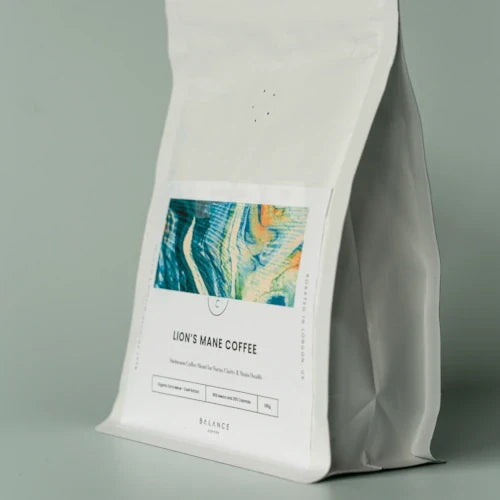
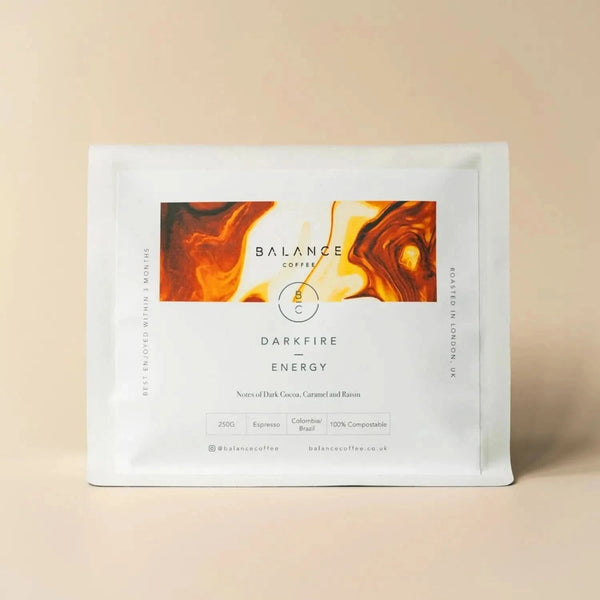
Explore Balance Coffee's organic coffee collection and choose an option that best suits your lifestyle.
Select your Coffee Subscription and we’ll take care of delivering freshly roasted organic coffee beans right to you.
FAQ Section
-
Is organic coffee better for liver health than regular coffee?
Yes, organic coffee is better for liver health than regular coffee. It has low pesticide residue because it is grown naturally with organic fertilizers like pulp and compost. Dr. Robert Silverman insists that you should switch to organic coffee, as it is much safer. It reduces the risk of liver disease, heart disease, and cancer.
-
Can organic coffee reverse fatty liver?
Yes, organic coffee may help with fatty liver in accordance with a healthy diet, exercise, and medical supervision. Studies show that drinking organic coffee without any creamers or sugars can help reduce fat accumulation in your liver. It can prevent inflammation that leads to serious diseases like fibrosis or cirrhosis.
-
Does organic coffee lower liver enzymes?
Yes, organic coffee lowers liver enzymes. When enzymes are low in your liver, it functions effortlessly. However, if they increase, the liver gets inflamed and damaged. If it’s left unchecked, it can lead to significant liver conditions like fibrosis or cirrhosis. Organic coffee prevents it from happening with its antioxidants.
-
Is organic coffee safe with elevated ALT or AST?
Yes, organic coffee is safe to consume with elevated ALT and AST. It actually helps to bring the high levels down. Hepatologists suggest 2-3 cups of organic coffee without added sugar to help manage ALT and AST levels, along with a healthy diet.
-
How many cups of coffee to detox the liver?
Your liver detoxes naturally. Organic coffee supports detoxification through its antioxidants. It accelerates the process by reducing oxidative stress, sparing your body’s antioxidant reserves, and producing glutathione, which detoxifies the liver. So 3-4 cups daily are good for liver health.
-
Is milk coffee good for the liver?
Yes, adding plain milk to coffee is okay for your liver as milk protein is neutral. So you can add good quality milk to your coffee without any fear. It is the creamers and artificial sugars that are bad for your liver. Coffee with milk is good if you prioritise liver health.