




To find the best decaf coffee beans UK buyers can trust, you need to check four things.
Those are the decaffeination method, the bean quality, the roast profile, and the health standards.
That is a long list, and it can get overwhelming fast.
You think choosing a regular coffee is hard?
Wait until you choose a decaf one. The coffee industry will tell you all decaf is equal.
That is the biggest lie in speciality coffee.
Even after 14+ years in the industry, I take no decaf on trust. I still run every one through a strict vetting process first.
I have 14+ years of experience in speciality coffee. I hold the SCA Coffee Skills Diploma and have brewed for over 199,000 people. I have worked with 100+ UK roasters and spent seven years at Sanremo before founding Balance Coffee.
For this guide, we tested 12 decaf coffees over 37 days between January and March 2026.
We brewed each one as espresso and as a V60 filter. Then we scored them on six criteria and checked them against verified customer reviews.
The result is our full guide to the best coffee beans UK buyers can get in decaf. It is the one list that does not treat decaf as an afterthought.
We buy every coffee we test with our own money. Some links to other brands earn us a commission if you buy. It never affects the scores or the ranking.
How We Score Decaf Coffee Beans
Every brand on this list is scored using the same 100-point framework.
The scorecard below lists the six criteria we scored against. The Balance Coffee testing team and I used them to vet every brand on the list.
Now, of the 12 brands tested, these THREE are my personal favourites. I have drunk them consistently for 5+ years:
| Product | Benefits | where to buy |
|---|---|---|
 Balance Coffee
 |
|
Shop & Save 15% |
 Decaf Buenos Aires
 |
|
Shop now |
 Volcano's Decaf coffee
 |
|
Shop now |
 Decaf Columbia
 |
|
Shop now |
All 12 Brands (Jump to Any Review)
- Balance Coffee Halcyon Decaf (91/100)
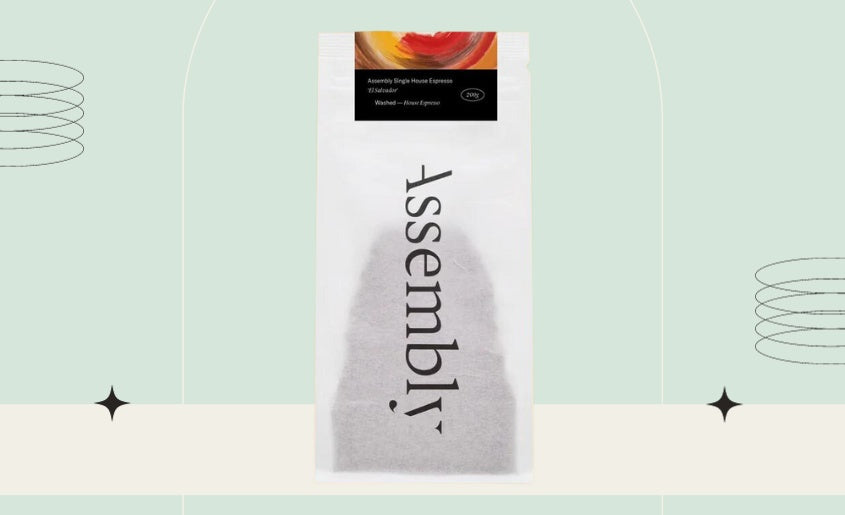
- Assembly Coffee Decaf Espresso (80/100)
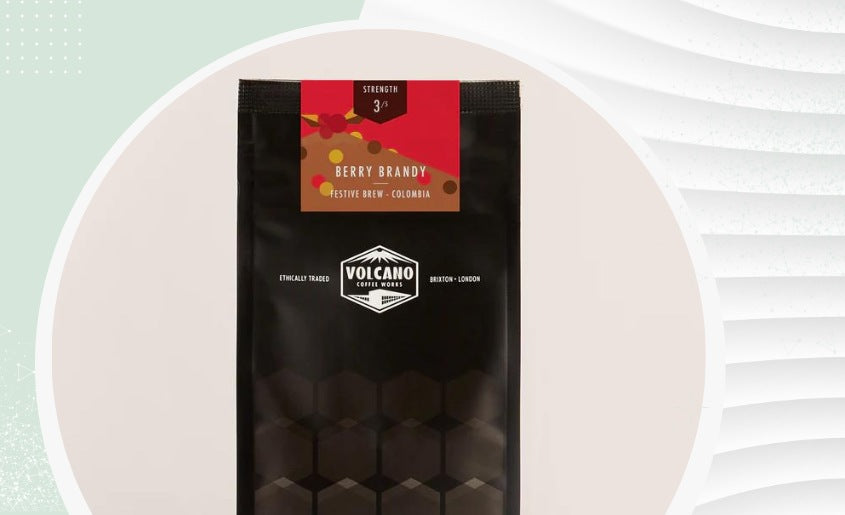
- Volcano Coffee Works Decaf (76/100)
- Redemption Coffee Monte Alban Decaf (75/100)
- Origin Coffee Atlas Decaf (74/100)
- Union Coffee Decaf Blend (73/100)
- Crosby Coffee Guatemala Decaf (72/100)
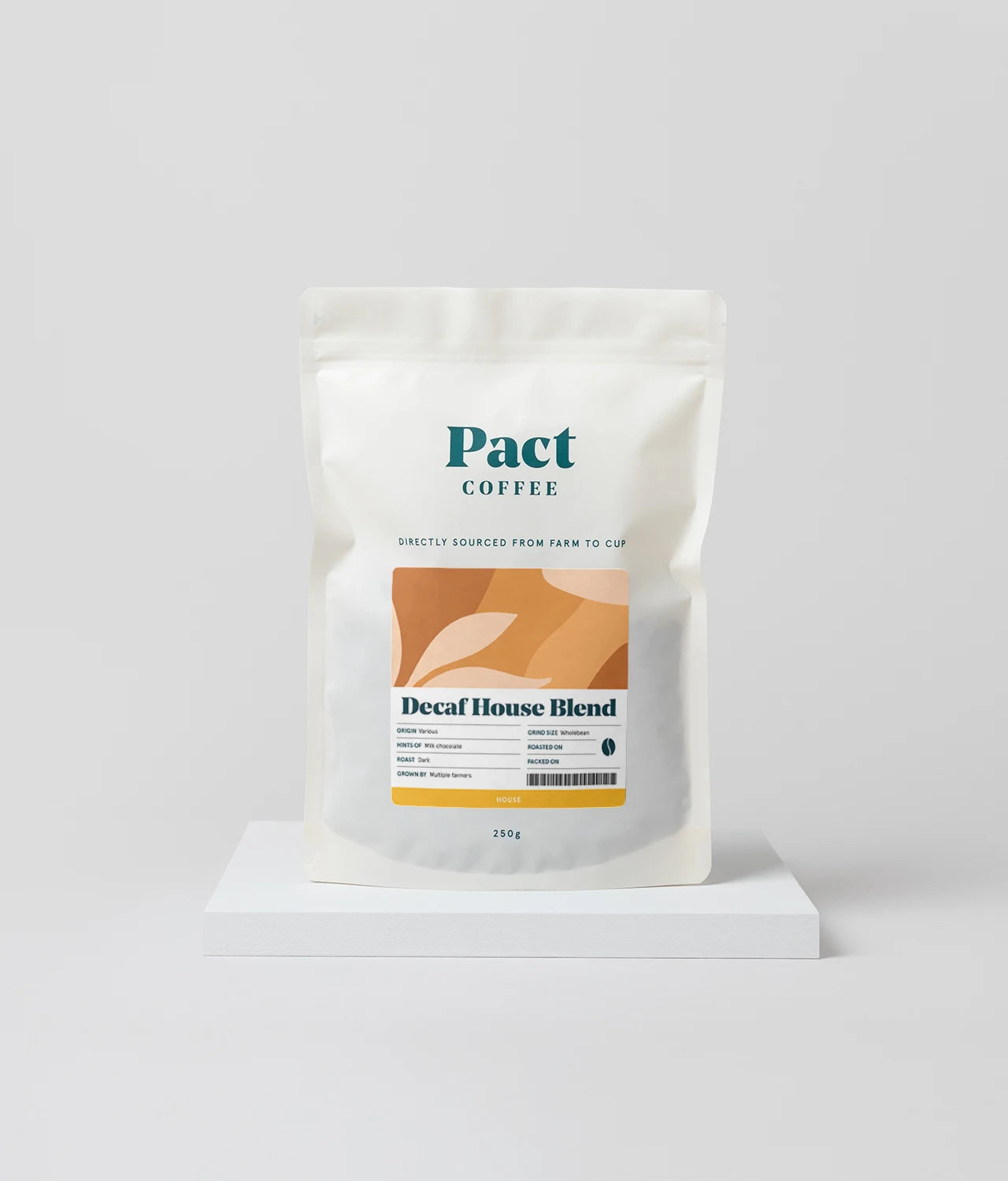
- Pact Coffee Decaf House Blend (71/100)
- Press Coffee Mexico Decaf (70/100)
- Ozone Coffee Roasters Decaf (69/100)
- Elsewhere Nightrider Decaf (68/100)
- Clifton Coffee Roasters Decaf Brew (65/100)
That list gives you twelve names and twelve scores. What it does not give you is the reason the order came out this way.
The 12 Best Decaf Coffee Beans in the UK 2026
Here are the best decaf coffee beans UK ranked by score.
Each brand was tested personally over 37 days using the same equipment and the same criteria.
How These Coffees Were Tested
Health and purity are worth 20 points because testing coffee for mould and chemicals costs over £400. We paid for that test because it matters to us. Any brand here can score 20 out of 20 by publishing the same results.
Flavour comes first because taste is why people buy coffee. Health comes second because it is why we started Balance Coffee.
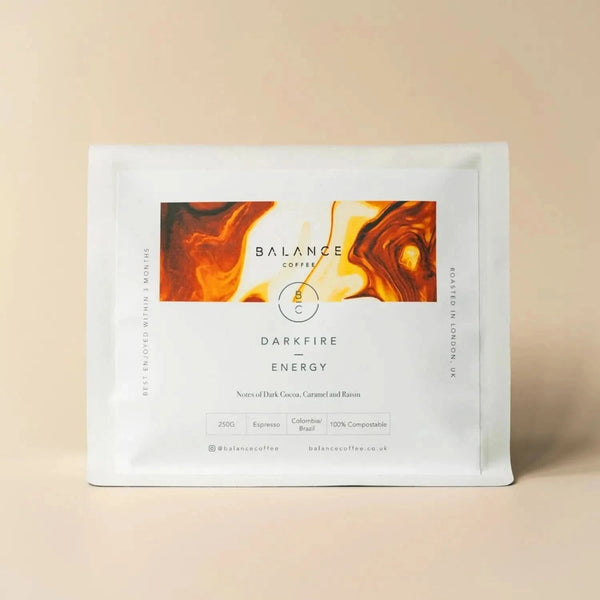
Balance Coffee Halcyon Decaf91 / 100
How Balance Coffee Halcyon Decaf Scored
Balance Coffee is a UK health-focused speciality roaster, founded in 2018. The mission was to make clean, lab-tested coffee the standard. That published lab work is what earns the 20 out of 20 for health and purity above.
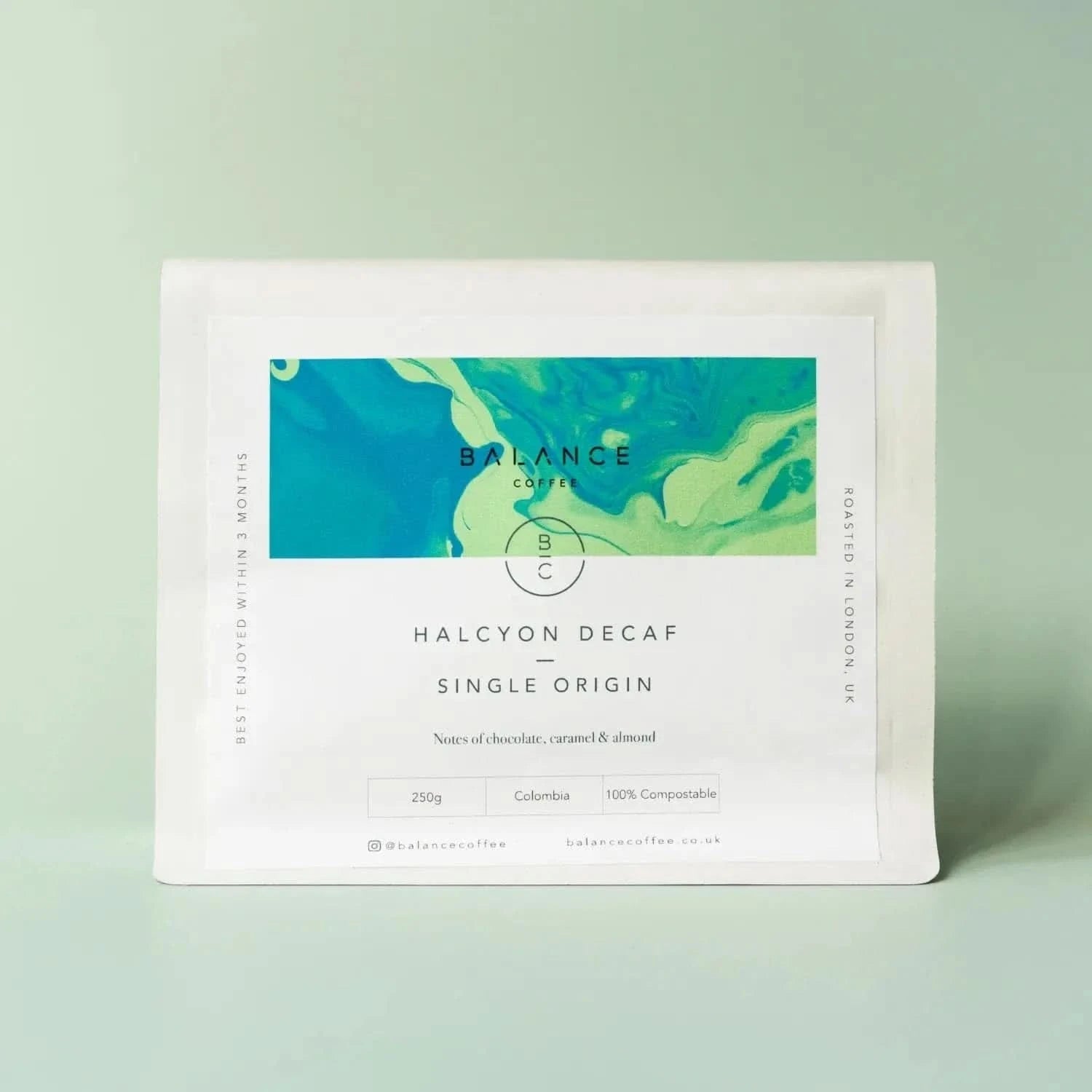
The Halcyon Decaf claims to be 100% toxin-free, independently lab-tested, and decaffeinated using natural sugarcane ethyl acetate.

We wanted to find out whether the cup actually lives up to those credentials.
For espresso, we used the Sage Oracle Touch with an 18g dose and a 36g target yield.
Water temperature was 93°C, and the extraction ran for 26 seconds. We ground immediately before each pull using the Oracle's built-in grinder at setting 5.
The beans had rested seven days post-roast before the first test.
For the secondary brew, we used a Hario V60. The dose was 15g of coffee to 250ml of water at 92°C.
Bloom was 30ml for 40 seconds, followed by a steady pour in two stages.
We ran three V60 sessions across the test period, with a 90-minute palate reset between each.
Testing ran over eight sessions across twelve days.
We tasted only at 8 am and 11 am, with sparkling water used to reset between cups.
No food was consumed in the hour before each tasting session.
On the first pull, the aroma from the portafilter was unusually vivid.
There was a clear sweetness: milk chocolate, and something close to roasted almond. I do not usually associate either with decaf.
The crema held for longer than expected. That first shot immediately separated this bean from the others in the test. It set the bar the rest of the best decaf coffee beans UK had to clear.
What I Like
- Published independent third-party lab results for mycotoxins and pesticides, the only brand in this test to do so.
- Sugarcane ethyl acetate decaffeination preserves flavour without chemical solvent residue.
- Single-origin, speciality-grade Guatemalan Arabica with verified altitude and farm-level sourcing.
- Roasted to order and dispatched within five days post-roast.
- Consistent performance across both espresso and V60 without grind adjustment.
- Subscription available with a 10% discount and flexible delivery cadence.
What I Don't Like
- Price is higher than mass-market decaf; this is a premium product, not a budget one.
- Only one decaf SKU is available, limiting variety for adventurous buyers.
Origin, Flavour & Taste
Halcyon Decaf comes from a single origin in Guatemala's Huehuetenango region. The farms sit at 1,500–1,800 metres above sea level.
The beans are washed and processed before decaffeination. The method is natural sugarcane ethyl acetate, a solvent made from fermented sugarcane.

This method is widely regarded as one of the cleanest and most flavour-preserving approaches to decaffeination.
The evidence?
Balance Coffee publishes independent third-party lab results for both mycotoxins and pesticide residues on its consumer-facing website.
That is the highest evidence standard in this framework. No other brand in this test meets it.
Organic certification is separate and does not replace published lab testing; both are present here.
The roast is medium, with a smooth and rounded profile. Aroma on opening is milk chocolate with a soft caramel undertone.
In the cup, the flavour is clean and structured. Chocolate leads, with almond and a gentle sweetness in the finish.
Mouthfeel is full without being heavy. In addition, there is no chemical aftertaste of any kind.
On the V60, the profile shifts towards a brighter, more delicate cup. In particular, the almond note becomes more prominent.
The chocolate softens into something closer to cocoa powder.
However, the structure and sweetness remain consistent, which confirms the extraction window is genuinely wide for a decaf.
Customer Feedback
Verified buyers keep coming back to two things: no bitterness, and the quality of the crema. By contrast, decaf drinkers name both as common weak points in other brands.
"I have ordered before and the coffee was great. This time however and after extensive research I came with many questions before buying. Source, type detailed ingredients, health benefits etc
Marks response was full and detailed. Turns out balance coffee ticks all my boxes. Over and above all others. Wonderful and highly recommended."
"Great tasting fresh coffee, tried a few different brands but this is by far the best freshest tasting coffee and on top of that is one of the healthiest options you can choose."
Micheal Wright., TrustpilotPrice
At £1.10 per espresso, Halcyon sits at the premium end of the best decaf coffee beans UK market.
However, that price includes independent lab testing, roast-to-order freshness, and single-origin traceability.
No other decaf at this price point offers all three.
The Coffee Subscription brings the cost to around £0.99 per cup, competitive for lab-tested speciality decaf.
Verdict
This is the only decaf in this test to take full marks on health and purity. That is because the lab results are published, not just promised.
Buy this if you want decaf that is independently lab-tested and freshly roasted. It holds its flavour across espresso and filter.
Skip this if you are buying on price alone. Instead, Elsewhere Nightrider is the budget pick at £11 per 250g.
Balance sets the evidence bar at published lab results. The next roaster clears a different bar entirely.
Assembly Coffee Decaf Espresso80 / 100
How Assembly Coffee Decaf Espresso Scored
Assembly Coffee is a B Corp-certified, CarbonNeutral London roaster, trading since approximately 2014. Those certifications are what lift the brand trust score above. The points it drops sit in health and purity.
The Decaf Espresso claims single-origin Brazilian beans and natural sugarcane decaffeination. It is roasted in small batches in Bermondsey.

We tested it to verify that the sustainability credentials match what lands in the cup.
We used the Sage Oracle Touch with an 18g dose and a 36g yield. Water temperature was 93 °C.
Extraction time across all shots was consistent at 27–28 seconds. Beans were ground immediately before each pull at grinder setting 5.
The bag had rested six days post-roast before the first session.
On the V60, we used 15g of coffee to 250ml of water at 92°C. Bloom was 30ml for 35 seconds.
We poured in two stages and brewed in 3 minutes 20 seconds total. Three separate sessions were completed, spaced two days apart.
All sessions ran between 8 am and 10 am. We reset the palate with sparkling water between cups.
Four espresso sessions and three V60 sessions were completed across twelve days of testing.
On the first pull, the hazelnut aroma was immediate and unusually clear for a decaf.
The crema formed well and held for around 90 seconds.
The first sip confirmed what the aroma promised. This was a comforting, well-structured cup.
What I Like
- B Corp and CarbonNeutral certified, two of the strongest sustainability credentials in UK coffee.
- Single-origin Brazilian beans with farm-level sourcing information published.
- Natural sugarcane ethyl acetate decaffeination preserves flavour without chemical solvent residue.
- Small-batch roasting in Bermondsey ensures freshness and quality control.
- Flavour profile is consistent and performs well across espresso and milk-based drinks.
What I Don't Like
- No published independent lab results for mycotoxins or pesticide residues.
- B Corp certification does not substitute for lab testing under this scoring framework.
- Flavour profile is comforting and consistent rather than complex or distinctive.
Origin, Flavour & Taste
Assembly Decaf Espresso sources its beans from a single origin in Brazil. Brazil supplies five of the twelve best decaf coffee beans UK on this list.
The producer-farm relationship is documented on Assembly's website.

The beans are washed and then decaffeinated using the sugarcane ethyl acetate method before small-batch roasting in London.
Assembly holds B Corp certification and CarbonNeutral status.
Then there is the testing.
However, no independent third-party lab results for mycotoxins or pesticide residues are published on the consumer-facing website.
Under this framework, B Corp certification alone scores 12 out of 20 on health and purity. That is not a safety judgement. However, full marks need published lab results, and Assembly publishes none.
The roast is medium, with a smooth, rounded profile.
Aroma on opening is clearly hazelnut, followed by milk chocolate in the cup.
The mouthfeel is creamy, and the finish is clean. There is no chemical aftertaste.
The best coffee beans for espresso require consistency under pressure; Assembly delivers that.
Want to see how their full lineup performs? Read my assembly coffee roastery review covering beans, pods, and subscription.
On the V60, the hazelnut note softens, and a light cocoa character becomes more prominent.
The body is slightly thinner than the espresso, but the cup remains sweet and approachable.
It works across most brewing methods without requiring grind experimentation.
Customer Feedback
Buyers regularly describe this as the decaf that finally converted them. They cite the crema and the milk-chocolate finish most often. By contrast, cheaper decafs taste flat or watery beside it.
"Outstanding coffee. I drink a lot of coffee and have tried a lot of different companies and have found Assembly consistently produces high-quality and delicious beans. Bravo Assembly - keep up the great work."
Clarie Y., Trustpilot"Great coffee--I've been subscribed to Assembly's house espresso for over 3 years (and have tried other single origin roasts) and I've never been disappointed--it's straightforward to dial in on my espresso machine, tastes great black, but also works really well with milk. When ordering/ subscribing online they ship your coffee very quickly as well. Customer service is always great too--I've had to make changes and adjustments to my orders in the past and the team at Assembly respond quickly and are very helpful."
Ether Shin., TrustpilotPrice
At £1.08 per cup, Assembly's decaf is competitively priced given its B Corp credentials and London small-batch roasting.
The bag size is 200g, which gives slightly fewer cups than the 250g options from Balance and Origin.
A subscription brings the price down further. That is worth weighing up if you drink decaf every day.
Among the best decaf coffee beans UK at the artisan tier, this is one of the strongest.
Verdict
This is the strongest artisan decaf in the test for espresso drinkers. It suits buyers who want green credentials and steady flavour.
Buy this if you want a B Corp-certified, small-batch roasted decaf with a clean hazelnut-chocolate profile.
Skip this if published lab testing is your primary health criterion. Balance Coffee Halcyon Decaf is the one that publishes.
Certification carried Assembly a long way. The next entry has none of it, and still scores well on taste.
Volcano Coffee Works Decaf76 / 100
How Volcano Coffee Works Decaf Scored
Volcano Coffee Works is a small-batch speciality roaster based in Brixton, South London, founded in 2010. Freshness and flavour are where it earns its points. Traceability and health evidence are where it drops them.
The Decaf is sold as a single-origin Brazilian bean, decaffeinated with sugarcane EA. It is roasted in small batches for freshness.

We tested it to verify the flavour claims and assess its performance across two brewing methods.
For espresso, we used the Sage Oracle Touch at 93°C with an 18g dose targeting a 36g yield.
Extraction ran at 26 seconds. We ground immediately before each pull at grinder setting 5.
Beans were rested for seven days post-roast before the first session began.
For the V60, we used 15g of coffee to 250ml of water at 92°C. Bloom was 30ml for 35 seconds.
We poured in two stages over 3 minutes and 15 seconds total. Three sessions were completed over eight days.
Tasting ran across six sessions over ten days. All sessions were at 8 am or 10 am with sparkling water palate resets.
The bright, almost jammy sweetness on the first opening immediately set this apart from most medium-roast decafs.
On the first espresso pull, the maple syrup sweetness came through clearly in the aroma.
The crema was dense and golden. That first sip confirmed something unusual. There was more brightness and fruit here than I usually find in Brazilian decaf.
What I Like
- Single-origin Brazilian beans with distinctive maple syrup and dark chocolate flavour.
- Small-batch roasting in Brixton delivers genuine freshness, with the roast date printed on the bag.
- Sugarcane ethyl acetate decaffeination maintains flavour clarity without solvent residue.
- Bright, jammy sweetness that stands out in a category dominated by flat, generic profiles.
- Works well for both espresso and filter, no significant grind adjustment required.
What I Don't Like
- No organic certification and no published lab results for mycotoxins or pesticide residues.
- Origin details stop at the country and region levels, with no farm name or altitude published.
- The free delivery threshold is higher than that of competitors at the same price point.
Origin, Flavour & Taste
This decaf is sourced from Brazil's Minas Gerais region.
Origin details are published at the regional level, with the processing method and decaffeination process clearly documented.

However, no farm name, altitude, or producer price is published. As a result, the traceability score caps at 12 out of 15.
Volcano holds no organic certification and publishes no independent lab results for mycotoxins or pesticide residues.
The sugarcane ethyl acetate decaffeination method is one of the cleaner, chemical-free processes available. Most of the best decaf coffee beans UK now use a chemical-free method.
However, there is no published third-party testing. Consequently, health and purity stays at the baseline of 10 out of 20.
The mould free coffee beans standard requires published evidence, not process claims alone.
So what stands out?
The flavour profile is the standout quality of this bean. The roast is medium with a genuinely rich and sweet character.
Maple syrup comes through on the nose, followed by dark chocolate and a subtle green grape finish.
The body is full and smooth, with a long, clean aftertaste. No chemical off-notes detected across any session.
On the V60, the profile shifts. The grape note comes forward, and the maple sweetness dials back.
The result is a brighter, more expressive cup than the espresso. It performs well across both methods without requiring significant brewing adjustments.
Customer Feedback
Buyers consistently highlight the sweetness, and the absence of the flatness they link with other decafs. Accordingly, that is a strong signal the sugarcane EA process is doing its job here.
"Asa seasoned coffee drinker, I mainly used Alpress and Ozone, I am surprised with the Volcano Coffee's quality. Just got the right note and flavoursome. I will be back for more."
A Zaman., Trustpilot"Absolutely love the coffee. It is well worth the money. Arrived in no time and we will be ordering again."
Allison Whtiehead., TrustpilotPrice
At £0.86 per cup, Volcano is the best value among the small-batch artisan decafs tested.
The 200g bag yields around 11 espresso cups, fewer than the 250g options.
Volcano roasts its caffeinated range in the same small batches. There is more on that in my volcano coffee works review.
However, the flavour quality relative to price is strong. For the money, it is one of the best decaf coffee beans UK buyers can find.
Verdict
At the lower price tier, this is the best tasting decaf coffee in the test. It is bright, sweet, and nothing like generic decaf.
Buy this if you want small-batch decaf with a naturally sweet, expressive profile for espresso or filter brewing.
Skip this if lab-tested health credentials are a priority. Instead, choose Balance Coffee Halcyon Decaf.
Volcano earns its place on flavour alone. The roaster below earns its place on something else.
Redemption Coffee Roasters Monte Alban Decaf75 / 100
How Redemption Coffee Roasters Monte Alban Decaf Scored
Redemption Coffee Roasters is a London-based speciality roaster, operating since 2012. Its social mission is to train and employ ex-offenders. Sourcing and flavour carry the score here, and the missing lab evidence caps it.
The Monte Alban Decaf comes from small indigenous producers in Oaxaca, Mexico. Decaffeination uses the Mountain Water Process.

We tested it to determine whether the ethical story is matched by genuine cup quality.
For espresso, we used the Sage Oracle Touch with an 18g dose and a 36g yield. Water temperature was 93 °C.
Extraction ran between 25 and 27 seconds across all sessions. We ground immediately before each pull at grinder setting 5.
The bag rested for eight days post-roast before the first test session.
For the V60, we used 15g of coffee to 250ml at 91°C. That is slightly lower than usual, to suit the Mountain Water process. Bloom was 35ml for 40 seconds.
Three sessions over nine days were completed.
Testing ran across six sessions between 8 am and 11 am. Sparkling water was used between cups.
The sweet, caramel-forward character on opening was immediately noticeable. It stood apart from the chocolate-led Brazilian beans earlier in the test.
That first espresso confirmed the sweetness was not just an aroma.
The dried date note came through clearly in the mid-palate. A clean, white-sugar finish followed, with no acidity.
It was a gentler, more contemplative cup than anything else in the test. Not all of the best decaf coffee beans UK are built for intensity.
What I Like
- Organically farmed beans sourced from small indigenous producers in Oaxaca, Mexico.
- Mountain Water Process decaffeination is entirely chemical-free.
- Strong producer-level sourcing transparency, community and region are clearly documented.
- Gentle, sweet flavour profile that works well for espresso and cafetière brewing.
- Strong social mission with documented employment and training outcomes.
What I Don't Like
- No published independent lab results for mycotoxins or pesticide residues.
- The "organic" claim on the bag is not backed by a certified organic accreditation.
- Limited brand visibility makes it harder to verify review consistency across platforms.
Origin, Flavour & Taste
Monte Alban is sourced from indigenous smallholder producers in the Oaxaca region of Mexico.
The producers practice traditional organic farming methods, though they do not hold formal organic certification.

The Mountain Water Process handles the decaffeination. It is a patented method, using pure glacial water from Mexico's Pico de Orizaba. No chemical solvents are involved.
Now the caveat.
The brand states that it follows organic farming practices, but no certified organic accreditation is listed.
No third-party lab results for mycotoxins or pesticide residues are available.
The Mountain Water Process is a clean decaffeination method. Even so, a clean method and a mycotoxin test are separate standards.
Under this framework, that scores 12 out of 20. The organic commitment counts for something. However, the certification and lab evidence needed for higher marks are not there.
The flavour is soft and naturally sweet. Opening the bag releases a clear caramel aroma.
In the espresso cup, soft caramel sweetness arrives first. A dried date note follows, then a white-sugar finish.
Acidity is very low, which makes this a genuine low acid decaf coffee. The body is medium, and the finish is clean and comforting.
On the V60, the caramel character becomes more transparent.
The dried fruit note deepens slightly. The result is a gentle, contemplative filter cup, ideal for early mornings or late evenings.
It is not an assertive flavour profile, but everything present is clean and pleasant.
Customer Feedback
Redemption carries fewer verified reviews than the larger brands in this test. Even so, the Trustpilot feedback we could verify is positive. Repeat buying is the theme, rather than any single flavour note.
"Really nice decaff coffee. Bought a few different types, really like the Roll Call too. Will.be purchasing again!"
Jon G., TrustpilotPrice
A 250g bag gives 14 servings at £0.85 per cup. That is good value for a Mountain Water Process decaf with real producer-level sourcing.
The price is competitive against its ethical and flavour credentials. It earns a place among the best decaf coffee beans UK on that basis.
Formal organic certification is still missing. Even so, this is the strongest organic decaf coffee UK option in the test on farming practice alone.
Verdict
This is the most ethically grounded decaf in the test. The gentle sweetness suits morning and evening equally.
Buy this if you want chemical-free Mountain Water decaf from indigenous producers at a competitive price.
Skip this if you want bold espresso intensity. By contrast, Volcano Coffee Works gives you a richer profile.
Redemption's story is about who grows and roasts the coffee. The next one is about how it gets brewed.
Origin Coffee Atlas Decaf74 / 100
How Origin Coffee Atlas Decaf Scored
Origin Coffee is a B Corp-certified speciality roaster based in Cornwall, founded in 2004. Direct-trade sourcing and supply chain transparency are its focus. Both feed the traceability and brand trust marks above.
The Atlas Decaf claims a single-origin Brazilian bean and sugarcane EA decaffeination. The roast is built for filter brewing.

We tested it to see whether the pour-over credentials hold up under both espresso and filter conditions.
For espresso, we used the Sage Oracle Touch with an 18g dose and 92°C water. The yield was 38g, slightly longer to allow for the lighter roast.
Extraction ran at 28 seconds. Beans rested eight days post-roast before the first session. We ground immediately before each pull.
For the V60, we used 15g of coffee to 250ml of water at 92°C.
Bloom was 30ml for 40 seconds. Total brew time was 3 minutes 30 seconds.
Three V60 sessions were completed over ten days, which is where the bean was clearly designed to perform.
Seven sessions in total ran over twelve days, between 8 am and 11 am. Palate resets used sparkling water throughout.
The crisp, bright aroma on opening immediately signalled a lighter roast profile than most decafs in this test.
The first V60 pour confirmed the brief. Clean apple acidity arrived first, followed by chocolate and caramel sweetness. It was an expressive, well-structured filter cup, level with the best filter coffee beans in the caffeinated category.
What I Like
- B Corp certified with strong direct-trade sourcing transparency from a Cornwall-based roaster.
- Genuinely expressive filter profile, apple acidity and caramel sweetness are well-balanced.
- Sugarcane ethyl acetate decaffeination effectively preserves the bright notes.
- Consistent performance across V60 and Chemex brewing without adjustments.
What I Don't Like
- No published independent lab results for mycotoxins or pesticide residues.
- Underperforms as an espresso; the bright acidity can become sharp under pressure.
- Limited decaf range compared to competitors offering multiple decaf SKUs.
Origin, Flavour & Taste
Atlas Decaf sources from a single origin in Brazil. Origin Coffee holds B Corp certification. Sourcing is documented at regional and producer level.
Farm-level altitude and pricing paid are not published, capping traceability at 12 out of 15.

Origin holds B Corp certification. However, it publishes no independent lab results for mycotoxins or pesticides.
The sugarcane EA method is clean, but process transparency and published lab testing are separate evidential standards.
Without lab results, this scores 10 out of 20 on health and purity under the scoring framework.
The roast is medium-light, designed for filter brewing. The flavour is brighter and more structured than most decafs in the test.
Apple acidity is present but controlled. Chocolate and caramel sweetness follow in the mid-palate, with a long, sweet finish. Mouthfeel is medium-bodied and round.
The trade-off?
On the espresso, the apple acidity can tip towards sharpness with a standard 1:2 ratio.
Dialling in a longer yield (1:2.2) noticeably improves the balance.
However, the real home for this bean is filter. There the clarity and brightness are assets, not challenges.
Customer Feedback
Buyers who use Atlas for pour-over or filter brewing are the most satisfied. In particular, the flavour complexity at that brew method draws the strongest reviews.
"So tasty! I tried this coffee without high expectations—decaf can sometimes fall a bit flat—but it completely surprised me. From the very first sip, I loved it. It’s rich, full of flavour, and absolutely perfect when brewed with an AeroPress."
Mariana., Trustpilot"Decaf coffee that actually tastes like coffee!
Finally found a decaf that tastes like the real deal. Absolutely worth a 5 start review."
Charlotte B., TrustpilotPrice
At £1.07 per cup, Atlas sits at the premium tier alongside Balance Coffee and Assembly.
For a filter-focused buyer who drinks V60 daily, the flavour justifies the price. It is one of the best decaf coffee beans UK for pour-over specifically.
However, if espresso is your primary method, there are better-value options further down this list.
For pour-over brewing, this sits among the best premium decafs in the UK. My full origin coffee review covers the complete range.
Verdict
Buy this if you brew primarily by V60, Chemex, or cafetière and want a bright, structured filter decaf.
Skip this if espresso is your primary method, because the bright acidity can overpower without dial-in adjustment.
Atlas is built around one brew method. The blend below is built for two.
Union Coffee Roasters Decaf Blend73 / 100
How Union Coffee Roasters Decaf Blend Scored
Union Coffee is a London-based ethical speciality roaster, founded in 2001. It has a long record in direct-trade sourcing and sustainability certifications. That record, and the Swiss Water process, carry most of the score.
The Decaf Blend uses beans from Rwanda, Peru, and Mexico. Both the Swiss Water and water process methods are used.

We tested it to see whether a multi-origin blend delivers consistency. We also wanted to know whether the Swiss Water claim holds up.
For espresso, we used the Sage Oracle Touch with an 18g dose, a 36g yield, and 93°C water. Extraction ran at 26–27 seconds across sessions.
We ground immediately before each pull at grinder setting 5. Beans rested seven days post-roast before testing began.
For the V60, we used 15g of coffee to 250ml of water at 92°C.
Bloom was 30ml for 35 seconds, followed by two pour stages.
Total brew time was 3 minutes 20 seconds. Three V60 sessions ran over nine days.
Six sessions in total across eleven days, at 8 am and 11 am. Sparkling water resets between cups.
The opening aroma was more complex than the single-origin Brazilian decafs. Chocolate, dried fruit, and a bright green apple note were all there before brewing.
The first espresso confirmed the blend's strength.
The balance between the chocolate body and the apple brightness was well-controlled.
No single origin dominated; the blend worked as intended.
What I Like
- Swiss Water and water process decaffeination, chemical-free and well-regarded for flavour retention.
- Multi-origin blend from Rwanda, Peru, and Mexico produces genuine flavour complexity.
- Established ethical roaster with 20+ years of direct-trade sourcing history.
- Consistent roasting quality with strong verified review scores across platforms.
What I Don't Like
- No published independent lab results for mycotoxins or pesticide residues.
- Traceability is at the country and blend level, with no individual farm or altitude data.
- Decaf range availability is inconsistent, not always in stock across all bag sizes.
Origin, Flavour & Taste
The blend draws from Rwanda, Peru, and Mexico.
Union documents each origin at the country and cooperative level, with sourcing stories available on its website.

However, individual farm names, altitudes, and producer prices are not published for the decaf blend. As a result, traceability scores 11 out of 15.
Union holds multiple sustainability certifications but does not publish independent lab results for mycotoxins or pesticide residues.
Union is the one best Swiss Water decaf coffee UK candidate in this test. The Swiss Water Process is one of the cleanest methods available, and it uses no chemical solvents.
That earns additional credibility, though it does not substitute for published lab testing under this framework. Score: 12 out of 20.
The flavour profile is the most complex in this test outside of Balance Coffee.
Let us break that down.
Chocolate and caramel sit at the centre. Dried fruit comes from the Rwandan beans, and green apple brightness from the Peruvian.
The mouthfeel is medium-bodied and clean.
On the V60, the apple brightness opens up further. The dried fruit becomes more prominent.
The result is a genuinely interesting filter cup; this blend rewards attention.
For an espresso drinker who also enjoys filter, Union is one of the most versatile beans here.
Customer Feedback
There are fewer verified decaf reviews for Union than for the big subscription brands. Even so, the feedback we could verify points to depth and flavour range, not blandness. That matches what the blend does in the cup.
"Great coffee. Decaf coffee can be bland and disappointing but yours is full of depth and lots of different notes of flavour. Enjoying it every day ."
Pat., TrustpilotPrice
At £1.00 per cup, Union sits in the mid-premium tier. That is fair for a Swiss Water blend with a 20-year ethical sourcing record. It is a solid middle option among the best decaf coffee beans UK.
The subscription option brings the cost to £0.90 per cup.
This is a strong decaf coffee subscription UK option. It suits buyers who want complexity and versatility from one bag.
Verdict
Buy this if you want a solvent-free Swiss Water decaf blend. It holds its origin complexity across espresso and filter.
Skip this if single-origin traceability is important. Origin Atlas Decaf and Balance Coffee Halcyon both document a single farm.
Union gets its complexity from three origins at once. The next roaster gets it from one country.
Crosby Coffee Guatemala Decaf72 / 100
How Crosby Coffee Guatemala Decaf Scored
Crosby Coffee is a speciality roaster based in Cheshire. It is known for direct-trade sourcing and a multi-farm approach to single-origin lots. Flavour is what lifts the score, and the missing lab evidence is what holds it down.
The Guatemala Decaf comes from several farms in the Antigua and Huehuetenango regions. Sugarcane ethyl acetate takes the caffeine out.

We tested it to check the citrus and almond notes claimed on the bag. We also wanted to see how it handled different brew methods.
For espresso, we used the Sage Oracle Touch with an 18g dose, a 36g yield, and 93°C water.
Extraction ran at 27 seconds. We ground immediately before each pull at grinder setting 5.
Beans rested seven days post-roast before the test began.
For the V60, we used 15g of coffee to 250ml at 92°C. Bloom was 30ml for 35 seconds.
Three sessions were completed over nine days.
Six sessions in total across eleven days, at 8 am and 10 am.
The opening aroma was immediately different from the Brazilian beans earlier in the test. It was brighter, with a clear citrus signal alongside toasted almond.
This is where Guatemala distinguishes itself from Brazil as a decaf origin.
The first espresso shot confirmed the orange and almond notes.
The pineapple sweetness in the finish was a genuine surprise, lively and expressive for a decaf. Few of the best decaf coffee beans UK carry fruit this clearly.
It remained consistent across four espresso sessions.
What I Like
- Guatemalan origin delivers a distinctively bright and fruity profile unlike most Brazilian decafs.
- Sugarcane ethyl acetate decaffeination preserves the citrus and almond complexity effectively.
- Multi-farm sourcing documented at the regional level, Antigua and Huehuetenango are named.
- Available in multiple grind options from whole bean to espresso fine.
- Strong cup score relative to price, good value for the flavour delivered.
What I Don't Like
- No published independent lab results for mycotoxins or pesticide residues.
- Brand visibility is lower than that of larger roasters, and fewer verified reviews are available.
- No roast-to-order policy confirmed, freshness score limited as a result.
Origin, Flavour & Taste
Guatemala is one of the most reliable decaf origins. Beans grown there hold their brightness after the caffeine comes out.
The bean's natural density at altitude helps it retain more character through the process.

Crosby sources from multi-farm Antigua and Huehuetenango lots, and both regions are documented. However, individual farm names and producer prices are not published.
There is a limit to that.
No organic certification and no published lab results for mycotoxins or pesticides are available.
Sugarcane EA is a clean method, but process credentials and lab testing remain distinct standards.
Under this framework, the score is 10 out of 20.
Our clean coffee standards require published lab evidence. Therefore Crosby has room to improve there, like most independent roasters on this list.
The roast is medium with a controlled brightness.
Orange citrus arrives first in the espresso. A clean almond nuttiness follows, then a subtle pineapple sweetness in the finish.
The body is full, and the cup feels lively without being acidic.
No chemical aftertaste was detected across any session.
On the V60, the orange note becomes more assertive, and the almond softens.
The result is a bright, expressive filter cup with good length.
However, the espresso is where this bean truly shines; the citrus and sweetness balance well under pressure.
Customer Feedback
Reviews are fewer in number than for the larger brands, but they are consistently positive. In particular, buyers name the unusual brightness and the orange citrus note as surprises in a decaf.
"I ordered the aeropress grind and it was really beautiful tasting coffee! I will definitely need to buy a good quality grinder and try their beans too."
Tim Lennon., Trustpilot"I order online, and I’ve always had a good experience with Crosby Coffee. The service is friendly and efficient, and delivery is always prompt."
Anthony.., Google ReviewsPrice
Crosby sits between the budget and premium tiers of the best decaf coffee beans UK. That is £0.93 per cup.
For a Guatemalan decaf with documented multi-farm sourcing and a genuinely distinctive flavour, the price is fair.
This is one of the brightest, fruitiest decaf arabicas in the UK. Chocolate and caramel drinkers should look elsewhere.
Verdict
Buy this if you want a bright, citrus-forward Guatemalan decaf. It stands apart from the standard Brazilian chocolate profiles.
Skip this if you want a rich, chocolate-heavy espresso profile. Instead, choose Volcano Coffee Works or Balance Coffee.
Crosby is a small roaster with a bright, unusual cup. The next name is the opposite on both counts.
Pact Coffee Decaf House Blend71 / 100
How Pact Coffee Decaf House Blend Scored
Pact Coffee is a London-based subscription-first speciality roaster, founded in 2012. Ethical sourcing and above-market farmer payments are its focus. Value and consistency drive the score, and the unnamed decaffeination method holds it back.
The Decaf House Blend is sourced from Colombia. Pact sells it as a smooth, milk-friendly option with a toffee-and-milk-chocolate profile.

We tested it to verify those sensory claims and to assess its performance across espresso and filter.
For espresso, we used the Sage Oracle Touch with an 18g dose, a 36g yield, and 93°C water. Extraction ran at 27–29 seconds. That is longer than most medium roasts here, and it fits the blend's darker leaning.
We ground immediately before each pull at grinder setting 5. Beans were rested for seven days post-roast before testing began.
For the V60, we used 15g of coffee to 250ml at 91°C. That is slightly lower, to suit the darker profile. Bloom was 30ml for 35 seconds.
Three V60 sessions ran over nine days.
Seven sessions across twelve days, between 8 am and 11 am, with sparkling water resets.
The dark-leaning roast was obvious on opening. It smelled rich and slightly bold, with milk chocolate and toffee. The character is approachable straight away.
That first espresso shot confirmed the House Blend's positioning.
The creaminess was notable for a decaf; this is built for flat whites and lattes, not black espresso.
The toffee sweetness carried well into the milk.
What I Like
- Ethically sourced Colombian beans with above-market farmer payments documented.
- Creamy, comforting profile built for milk-based drinks, flat whites and lattes benefit most.
- Very good value, one of the lowest cost-per-cup options among speciality blends in this test.
- Reliable and consistent, Pact's production quality is well-established over 14 years.
What I Don't Like
- No published independent lab results for mycotoxins or pesticide residues.
- The decaffeination method is not specified on the product page or on the bag, creating a transparency gap.
- Flavour profile is reliable but not complex, better for daily drinking than flavour exploration.
Origin, Flavour & Taste
The House Blend is sourced from Colombia and documented at the country level.
Pact's sourcing transparency applies to its single-origin range more granularly than to its blend products.

Worth being blunt here.
The decaffeination method is not named on the product page. Therefore it is a real gap for buyers who want process transparency.
No organic certification and no lab results for mycotoxins or pesticides are published.
The unspecified decaffeination method is an additional concern; buyers cannot confirm whether solvent-based processes were used.
Under this framework, the score is 10 out of 20. Healthy decaf in the UK needs process transparency as a minimum. Pact falls short on that one criterion.
The flavour profile is dark-leaning, creamy, and consistent. For buyers after strong decaf coffee beans, this is the closest in the test.
Milk chocolate arrives first, followed by a toffee sweetness and a smooth, low-acidity finish. Mouthfeel is full and satisfying.
There are no complex or distinctive notes. Among the best decaf coffee beans UK, this one is built for reliability.
On the V60, the profile softens. The toffee sweetness becomes less assertive, and the chocolate note opens up slightly.
However, this is not a filter-first bean. It performs best where the creaminess can carry into steamed milk.
Customer Feedback
The most consistent theme across verified reviews is the crema and the performance with milk. Latte and flat white drinkers are clearly the happier group. By contrast, black coffee drinkers are more mixed.
"Gorgeous fresh aroma when you open the packet. Full-flavoured with no bitter aftertaste. Speedy delivery. Nice packaging. High quality coffee. Will keep my subscription. Highly recommended."
Elizabeth., Trustpilot"Very good service at a good price. I get a lovely expresso from the the beans I have received!"
Gavin M., Reviews.ioPrice
At £0.75 per cup, Pact is the best value for money among the speciality blends in this test.
Pact is built around subscription, and the pricing reflects that. For a reliable daily decaf at low cost, this is the pick here.
The unspecified decaffeination method is a transparency gap that prevents a higher overall score.
That gap does not apply across the whole Pact range. My pact coffee review looks at the single origins.
Verdict
Buy this if you drink mostly milk-based espresso drinks. It is reliable, affordable, and cheaper again on subscription.
Skip this if process transparency matters to you. In contrast, other brands on this list name their decaffeination method.
Pact keeps its decaffeination method to itself. The roaster below publishes the farm the beans came from.
Press Coffee Mexico Decaf70 / 100
How Press Coffee Mexico Decaf Scored
Press Coffee is a family-owned speciality roaster, founded in Arizona in 2008. UK buyers get it through international shipping. Flavour and farm-level sourcing carry the score, and the shipping is what costs it points.
The Mexico Decaf comes from a single-origin Chiapas farm, decaffeinated with sugarcane ethyl acetate. The roast is light-to-medium, aimed at filter brewing.

We tested it to see whether the shortbread and red grape notes hold up. It is the only US roaster among the best decaf coffee beans UK here. Both espresso and V60 were used.
For espresso, we used the Sage Oracle Touch with an 18g dose, a 38g yield, and 92°C water.
We pulled slightly longer and cooler to account for the lighter roast. Extraction ran at 28–30 seconds.
We ground immediately before each pull at grinder setting 4. Beans rested seven days post-roast.
For the V60, we used 15g of coffee to 250ml at 93°C. That is slightly higher than usual, and it suits the lighter roast.
Bloom was 30ml for 30 seconds. Three sessions over eight days were completed.
Six sessions across ten days, at 8 am and 10 am. Sparkling water resets between cups.
The opening aroma was clearly different from the medium- and dark-roast decafs earlier in the test. It was lighter and brighter, with a shortbread sweetness close to biscuit and grain.
The first V60 pour immediately confirmed the character.
The shortbread note was clear. Cashew nuttiness came through in the mid-palate, and red grape acidity landed cleanly in the finish.
This is an expressive, lively decaf that rewards careful brewing.
What I Like
- Distinctive shortbread and red grape profile, unusual in a decaf and a genuine flavour asset.
- Single-origin Chiapas farm with sourcing story documented on the product page.
- Sugarcane ethyl acetate decaffeination effectively preserves the lighter, brighter notes.
- Strong sustainability credentials, zero-emission delivery and recyclable packaging.
- Available in multiple sizes and grind options for flexible brewing.
What I Don't Like
- No published independent lab results for mycotoxins or pesticide residues.
- US-based roaster, UK availability depends on international shipping, which adds time and cost.
- The light roast performs poorly as espresso without careful dial-in, not a beginner-friendly espresso bean.
Origin, Flavour & Taste
Mexico Decaf sources from the Chiapas highlands, a region known for growing speciality-grade coffee at altitude.
Sourcing is documented at farm level. In addition, the processing method and producer relationship are described on the Press Coffee website.

Altitude and pricing paid are partially documented, scoring 12 out of 15 on traceability.
No organic certification and no published lab results for mycotoxins or pesticide residues are available.
The sugarcane EA method is clean. Even so, without lab evidence, health and purity stays at the baseline of 10 out of 20. Our guide to how decaf coffee is made compares all four methods.
For a UK buyer, the light-roast performance gap is worth noting. So is the missing health evidence.
The flavour profile is the most expressive of the light-roast decafs in this test. Shortbread sweetness arrives first. A clean cashew nuttiness follows, then a distinct red grape acidity.
The mouthfeel is lighter than the Brazilian and Guatemalan beans, crisp rather than heavy. No chemical aftertaste detected.
On the V60, the flavours open significantly. The shortbread becomes less dominant, and the grape acidity and cashew notes come into their own.
So where does this bean belong?
This is a filter-first bean. Brew it at 93°C with a slightly finer grind than standard. The result is one of the most expressive decaf filter cups in the test.
Customer Feedback
Buyers who choose this bean for pour-over consistently praise the lightness and the grape finish. In particular, experienced filter drinkers name both as positives.
"I used the Mexican Decaf Coffee for lattes for my mother in law and guests who can’t have caffeine and they love it. I just received another bag! It is great!"
Tee., Google Reviews"I don’t know what sort of black magic Press is doing with this decaf but it’s as good as most regular roasts. The best decaf I’ve purchased… even smells great!"
Daniel M., TrustpilotPrice
A 340g bag gives 19 servings at £0.80 per cup. That is strong value for a light-roast single-origin decaf.
The shipping time from the US is the main practical consideration for UK buyers. It is the one entry on this best decaf coffee beans UK list not roasted in Britain.
However, for dedicated filter drinkers, this is still one of the best decafs in the UK. Flavour wins over convenience here.
Verdict
Buy this if you brew mainly by V60 or Chemex. It is a light, expressive Mexican decaf with shortbread and grape notes.
Skip this if you need an espresso bean that works without dial-in. Assembly Coffee and Pact are both more forgiving.
Press asks for careful brewing and some shipping patience. The next decaf asks for neither.
Ozone Coffee Roasters Decaf69 / 100
How Ozone Coffee Roasters Decaf Scored
Ozone Coffee Roasters is New Zealand-founded, with a London roastery running since 2012. It has a strong name for quality and sustainability. Consistency is what earns the score, and thin traceability is what limits it.
The Decaf sources from the Matas de Minas region of Brazil, decaffeinated using ethyl acetate.

We tested it to check the milk chocolate and biscuit notes. We also wanted to know how it held up as an all-day drinker.
For espresso, we used the Sage Oracle Touch with an 18g dose, a 36g yield, and 93°C water.
Extraction ran at 26–27 seconds. We ground immediately before each pull at grinder setting 5.
Beans rested six days post-roast before testing began.
For the V60, we used 15g to 250ml at 92°C. Bloom was 30ml for 35 seconds. Three sessions were completed over nine days.
Six sessions across ten days, between 8 am and 11 am. Sparkling water resets between cups.
On opening, the aroma confirmed the milk chocolate and biscuit description from the bag. This is a genuinely approachable, unchallenging profile designed for daily volume drinking.
The first espresso shot was smooth and satisfying. Nothing about it surprised or challenged.
However, the consistency across all four espresso sessions was notable. This is a well-calibrated roast that does exactly what it says.
What I Like
- Consistent, approachable flavour profile, reliable as an all-day drinker across any method.
- Ethyl acetate decaffeination from the Matas de Minas region preserves the mild character.
- Works across espresso, cafetière, and filter without requiring grind adjustment.
- Low acidity makes it ideal for afternoon or evening drinking.
What I Don't Like
- No published independent lab results for mycotoxins or pesticide residues.
- Flavour profile lacks complexity, milk chocolate and biscuit are pleasant but not memorable.
- Origin documentation stops at the regional level, with no farm name or altitude published.
Origin, Flavour & Taste
The origin is documented as the Matas de Minas region of Brazil. In addition, the ethyl acetate decaffeination method is clearly stated.
However, individual farm name, altitude, and pricing paid are not published for this SKU. Traceability scores at 10 out of 15.

No organic certification and no published lab results for mycotoxins or pesticides are available.
This scores at baseline: 10 out of 20 on health and purity. Flavour matters more here than credentials.
That is the easy part.
However, buyers who want independent verification of cleanliness have better options further up this list.
The roast is medium, designed for easy, consistent extraction. Milk chocolate arrives first, followed by biscuit sweetness and toffee in the mid-palate.
Acidity is low. The finish is clean and comforting. No chemical aftertaste turned up across any session.
This is an honest, reliable cup that delivers exactly what it promises.
On the V60, the milk chocolate softens into cocoa powder. The biscuit note lightens.
The result is a smooth, low-acidity filter cup for any time of day. It suits afternoon drinking, when brightness would be unwelcome.
Customer Feedback
Buyers consistently describe this as their go-to late afternoon and evening decaf. In particular, the low acidity and easy profile are the reasons they give for buying again.
"First time ordering from Ozone- absolutely loved it! Super quick delivery and the half-caff blend is DELICIOUS. Great vibes all around. Highly recommend! Will be ordering my coffee from here from now on. Thanks Ozone!"
Steph Sides.., Trustpilot"Some of the best blends off Coffee from around the world I've ever tasted. I look forward to a cup every morning!"
Knight Rida., Google ReviewsPrice
At £1.02 per cup with 12 servings from a 220g bag, Ozone sits in the mid-premium tier.
The smaller bag size reduces per-cup economy compared to 250g options.
However, for a consistently well-made everyday decaf from a respected London roaster, the price is reasonable.
Among the best decaf coffee beans UK for consistent all-day drinking, this one ranks well. It is one of the top rated decaf coffee beans for that job.
Verdict
Buy this if you want a consistent, low-acidity decaf for afternoon or evening drinking. It works across every brewing method.
Skip this if you want flavour complexity or published lab credentials. Instead, Balance Coffee and Assembly Coffee both serve those better.
Ozone is the reliable all-day option at mid-premium money. One entry does the same job for less.
Elsewhere Coffee Nightrider Decaf68 / 100
How Elsewhere Coffee Nightrider Decaf Scored
Elsewhere Coffee is a UK speciality roaster and subscription service. It is known for reliable, crowd-pleasing blends at accessible prices. Value is what earns the score here, and flavour complexity is what limits it.
The Nightrider Decaf comes from smallholder producers in Brazil, decaffeinated with sugarcane ethyl acetate. The roast is medium, with a chocolate-pecan profile.

We tested it to verify the flavour claims and assess its value proposition as an everyday budget decaf.
For espresso, we used the Sage Oracle Touch with an 18g dose, a 36g yield, and 93°C water.
Extraction ran at 26–27 seconds. We ground immediately before each pull at grinder setting 5.
Beans were rested for seven days post-roast before the first session.
For the V60, we used 15g to 250ml at 92°C. Bloom was 30ml for 35 seconds. Three sessions ran over nine days.
Six sessions across ten days, at 8 am and 11 am. Sparkling water resets between cups.
On opening, the blend produced a bold, familiar aroma, dark chocolate with a hint of caramel.
This is an uncomplicated, comforting profile designed for volume drinking rather than exploration.
The first espresso confirmed the positioning. Chocolate and caramel arrived immediately, with a subtle pecan sweetness underneath.
The body was solid and satisfying. Across four sessions, the extraction was consistent; this is an easy-drinking decaf that works reliably without fuss.
What I Like
- Best cost-per-cup value for speciality decaf in this test, strong budget case for daily drinkers.
- Sugarcane EA decaffeination preserves the body and chocolate character.
- Consistent, reliable extraction across espresso and cafetière without adjustment.
- Works well in milk-based drinks, the chocolate and caramel carry well into a flat white.
What I Don't Like
- No published independent lab results for mycotoxins or pesticide residues.
- Flavour complexity is limited to single-note chocolate and caramel, with no surprising elements.
- Less brand visibility and fewer verified reviews than larger UK roasters.
Origin, Flavour & Taste
Nightrider comes from Brazilian smallholder farms. Origin is documented at country and smallholder level, and the decaffeination method is stated.
However, no farm name, altitude, or pricing paid is published; traceability scores 10 out of 15.

No organic certification and no published lab results for mycotoxins or pesticides are available.
Score: 10 out of 20 on health and purity. For a UK roaster built around budget value rather than health credentials, Nightrider is still a solid choice.
However, the health evidence gap is consistent with most budget-tier brands in this test.
The roast is medium with a bold, familiar profile. Dark chocolate arrives immediately in espresso, followed by caramel and a subtle pecan sweetness.
The body is thick and satisfying. Low acidity and a comforting finish make this an easy, reliable daily drinker.
On the V60, the profile lightens. The pecan note becomes more prominent, and the chocolate softens.
The result is a pleasant but not complex filter cup, adequate but not a match for this bean.
Nightrider performs best as espresso or in milk-based drinks.
Customer Feedback
Buyers consistently highlight the value for money and the reliable extraction. Those are the reasons they give for buying again. By contrast, flavour complexity is rarely mentioned.
"Really, and I mean REALLY great flavours, perfect for when you have over done it on the other beans and are starting to feel a bit jittery 😆"
Peter o., Trustpilot"Whether it’s online or at the roastery, Elsewhere are the best! It’s where my coffee journey started, and it just wouldn’t have started anywhere else!"
Carl Smith., TrustpilotPrice
The short answer?
At £0.73 per cup, Nightrider is the lowest cost per serving in this test.
The subscription option reduces this further.
For daily drinkers on a budget, this is the strongest of the best decaf coffee beans UK. It is also the best decaf ground coffee option at the accessible tier. Whole bean is available too.
The absence of lab testing is the only meaningful limitation.
Verdict
Buy this if you want an affordable, reliable everyday decaf on subscription with a consistent chocolate-caramel profile.
Skip this if flavour complexity or published lab credentials matter. Step up to Assembly Coffee or Balance Coffee.
Every decaf so far has arrived as whole beans. The last entry does not.
Clifton Coffee Roasters Decaf Brew65 / 100
How Clifton Coffee Roasters Decaf Brew Scored
Clifton Coffee Roasters is a Bristol-based speciality roaster, founded in 2001. It is known for careful sourcing across retail and wholesale. The solvent-free process lifts the score, and the bag format limits it.
The Decaf Brew is a tea-bag-style product, using pyramid bags filled with ground decaf. The beans come from Kenya, Rwanda, and India, decaffeinated by the CO₂ method.

We tested it to see whether it delivers a genuinely satisfying cup. We also wanted to know whether it belongs on this list at all.
Let us be clear.
This product does not use whole beans. Therefore it cannot be tested on the Sage Oracle Touch or a V60 in the usual way.
We brewed each pyramid bag in 220ml of freshly boiled water. The water rested 60 seconds first, to reach roughly 95°C.
Brew time was 4 minutes as recommended on the packaging. We completed six brews over eight days.
As a secondary test, we brewed a bag in 200ml of water at 92°C for 3 minutes. That is a more concentrated extraction. It improved the body noticeably.
Six sessions between 8 pm and 9 pm, appropriate for an evening wind-down product.
No palate resets were used between brews within the same evening.
The first brew produced a genuinely satisfying cup. The maltiness was immediate and soothing.
The CO₂ decaffeination method preserved the body well. As a result, this does not taste like a thin or watery bag product.
However, it also does not perform like whole-bean espresso decaf, and should not be expected to.
What I Like
- CO₂ decaffeination is entirely solvent-free, one of the cleanest processes available.
- Plant-based, biodegradable pyramid bags meaningfully reduce packaging waste.
- Genuinely smooth and malty profile, ideal for evening drinking without stimulation.
- A multi-origin blend from Kenya, Rwanda, and India produces a rich, rounded body.
What I Don't Like
- A bag product, not whole beans, so it cannot be compared directly to the espresso decafs here.
- Higher upfront cost (£45 for 100 bags) compared to per-bag pricing on other entries.
- No published independent lab results for mycotoxins or pesticide residues.
- Limited flavour complexity relative to whole-bean alternatives at a similar cost per cup.
Origin, Flavour & Taste
The Decaf Brew blends beans from Kenya, Rwanda, and India, three origins documented at the country level. Three origins in one bag is unusual among the best decaf coffee beans UK.
The CO₂ decaffeination process uses pressurised carbon dioxide to selectively extract caffeine without chemical solvents. If you are new to the category, start with what decaf coffee actually is.

Clifton notes the origins and rationale for the blend on its website, though farm-level details are not available. Traceability scores 10 out of 15.
CO₂ decaffeination earns a health purity score of 12 out of 20 under this framework.
The process is entirely solvent-free, which is a meaningful credential.
However, no independent lab results for mycotoxins or pesticide residues are published.
The best mushroom coffee brands and clean-coffee categories make the same point. A clean process does not replace published lab testing.
The flavour is smooth, rich, and malty. Kenya and Rwanda contribute a bright, slightly fruity backdrop that prevents the cup from tasting flat.
The India component adds depth and body. Brewed at 92°C for 4 minutes, the cup is rounded and comforting with low acidity. A splash of milk noticeably improves it.
As a filter-style product, there is no espresso equivalent.
The body is good for a bag product. Even so, it does not match the texture of freshly ground whole-bean decaf.
This is an evening drink, not a substitute for espresso.
Customer Feedback
The most cited use case in reviews is pre-bedtime drinking. Therefore buyers choose it for a comforting warm drink that does not disturb their sleep.
"Perfect for winding down in the evening. Smooth, malty, and genuinely satisfying without the caffeine."
Meg T., Trustpilot"The CO₂ process makes a real difference. Rich and clean, not chemical-tasting like some other decafs."
Peter H., Google ReviewsPrice
At £0.45 per cup, the Clifton Decaf Brew is excellent value once the bulk cost is amortised.
However, the £45 upfront purchase is the highest single spend in this test.
You get 100 cups of solvent-free, CO₂-decaffeinated coffee in one purchase. For a dedicated evening decaf drinker, nothing here beats it for convenience.
Verdict
This is a specialist evening product, not a substitute for whole-bean espresso decaf. Judged in its own category, it does the job well.
Buy this if you want a solvent-free, CO₂ decaffeinated bag product for evening drinking. Clifton is a trusted Bristol roaster.
Skip this if you want espresso or grind-at-home flexibility. In that case, any of the whole-bean options above will serve you better.
That is all twelve of the best decaf coffee beans UK, tested and ranked. Between them they use four different ways of taking the caffeine out. It is worth knowing what that does to a bean.
What Are Decaf Coffee Beans?
Decaf coffee beans have had at least 97% of their caffeine taken out. Four main methods do this: water processing, sugarcane ethyl acetate, CO₂ extraction, and chemical solvents.
They start as ordinary green coffee. The caffeine comes out before roasting. The beans are then dried, roasted, and packed as normal.
Decaf and decaffeinated mean the same thing. The best decaffeinated coffee beans UK roasters sell went through one of those four methods.

However, not all decaffeination is equal. The method used affects both the flavour profile and the residue left on the bean.
Swiss Water and sugarcane EA are the two cleanest non-chemical processes. CO₂ extraction is solvent-free but less widely available.
Methylene chloride and synthetic ethyl acetate are the chemical solvent methods. Both are legal. However, health-focused buyers tend to avoid them.
Decaf still holds a very small amount of caffeine. That is about 2–5mg per cup, against 80–100mg in regular espresso.
There is no fully caffeine-free coffee. For caffeine-sensitive drinkers, the amount in good decaf is usually too small to matter.
Decaf vs Regular Coffee
The most obvious difference is caffeine content.
However, decaffeination also changes flavour and body. How much it changes them depends on the method, and on the quality of the green beans.

Both are helped by the same three things: fresh roasting, single-origin traceability, and clean processing.
The same rule that picks out the best coffee Beans In the world applies to decaf. Bean quality before roasting sets the ceiling for the cup.
How to Choose the Best Decaf Coffee Beans UK
Choosing the right decaf comes down to four practical questions.
Answer them before you buy and you will not waste money on the wrong bag.

1. What Is Your Primary Brewing Method?
Decaf responds differently to different brew methods.
A bean roasted for espresso will often taste harsh or underdeveloped on a V60.
A light-roast filter decaf can taste flat and under-extracted on an espresso machine. Match the bean to the method.
Without a grinder, the best decaf ground coffee UK roasters offer is a fair compromise. You lose some freshness and gain convenience. We cover the trade-off in full in our guide to decaf ground coffee.
Those six picks are sorted on brew method alone. Brew method is only half the decision. The other half is what a brand can actually prove.
2. Do You Prioritise Health Credentials?
Health credentials in decaf come in three levels. Knowing the difference stops you paying extra for claims that do not hold up.
Only one brand in this test publishes independent lab results on its website. That is Balance Coffee, for both mycotoxins and pesticide residues.
The mould free coffee beans and best clean coffee beans categories explain why that evidence matters. They also show you how to find it.
3. What Is Your Roast Level Preference?
Medium roast is the safest and most versatile choice for decaf.
Decaffeination already softens the flavour a little. A lighter roast can soften it further. In contrast, a very dark roast can hide poor beans behind bitterness.
However, experienced filter drinkers should look at light-to-medium decafs. Press Coffee Mexico Decaf is the one to try.
4. What Is Your Budget?
The best decaf beans UK buyers can pick from run from £0.45 to £1.10 per cup. Clifton sits at the bottom as a bag product. Balance Coffee sits at the top as whole bean.
Here is the honest picture: at the budget end, you lose health credentials and often traceability.
At the premium end, you gain lab testing, fresh roasting, and verified single-origin sourcing. That is the tier our decaf range sits in.
The sweet spot for most buyers is £0.85–£1.00 per cup. At that price the quality is high, and the extras are real rather than marketing. Several of the best decaf coffee beans UK sit right in that band.
Health Benefits of Decaf Coffee
Removing caffeine does not remove coffee's health benefits.
Research keeps showing that coffee's protective compounds survive decaffeination. Those are the polyphenols, the chlorogenic acid, and the antioxidants.

However, the best rated decaf coffee from a health perspective goes beyond removing caffeine.
Mycotoxins are toxic compounds made by mould when beans are stored badly. They are present in many commercial coffees. Moreover, roasting does not remove them.
Pesticide residues from non-organic farming stay in the bean too.
Choosing decaf made from clean, properly stored beans matters as much as the decaffeination method itself.
Look at what the research covers, and what applies to any well-made decaf:
Antioxidants
Decaf keeps most of coffee's polyphenols and chlorogenic acid. These antioxidants help protect your cells from damage.
Research published in the National Library of Medicine confirms this. The compounds survive decaffeination in meaningful amounts.
Better Sleep
Caffeine blocks adenosine, the chemical that makes you feel sleepy.
Removing caffeine means decaf does not interfere with your sleep cycle.
Switching to decaf after 2pm is one of the simplest ways to sleep better. You do not have to give up coffee.
Reduced Anxiety
Caffeine stimulates adrenaline and cortisol production. For caffeine-sensitive drinkers, this causes jitteriness and raised anxiety.
Decaf delivers the ritual, the aroma, and the antioxidants without the stimulant effect.
Digestive Comfort
Decaf has lower acidity than regular coffee and causes less gastric acid stimulation.
Decaf is often the practical choice for drinkers with acid reflux or IBS. You get the coffee without the after-effects.
The best decaf coffee for acid reflux is the one with the lowest acidity, not the lowest caffeine. Redemption Monte Alban recorded the lowest acidity in this test.
Heart Health
A 2022 study in the European Journal of Preventive Cardiology looked at coffee and heart disease. It linked coffee, including decaf, to a lower risk. The adults studied were aged 40 to 69.
The antioxidants in decaf play a part in that. So does the smaller effect on blood pressure from less caffeine.
The best coffee roasters UK that prioritise health do not stop at the decaffeination method.
They test for mycotoxins, publish those results, and treat clean coffee as a standard, not a premium.
Frequently Asked Questions
Do you have questions?
Let's answer them.
What are the best decaf coffee beans UK right now?
The top three are Balance Coffee Halcyon Decaf, Assembly Coffee Decaf Espresso, and Volcano Coffee Works Decaf. They scored 91, 80 and 76 out of 100 across a 37-day test. Balance Coffee leads because it is the only one of the twelve to publish independent lab results.
What is the best decaf coffee UK 2026?
The best decaf coffee UK 2026, on this test, is Balance Coffee Halcyon Decaf at £1.10 per cup. It is single-origin Guatemalan, lab-tested for mycotoxins and pesticides, and roasted to order. For flavour ahead of credentials, Assembly Coffee Decaf Espresso is the runner-up at £1.08 per cup.
What is the difference between Swiss Water and sugarcane EA decaf?
Both are chemical-free decaffeination processes, and both beat synthetic methylene chloride. Swiss Water uses only pure water and a green coffee extract to pull the caffeine out. Sugarcane EA uses a natural solvent from fermented sugarcane, and it holds slightly more flavour in lighter roasts.
Is decaf coffee safe to drink every day?
Decaf coffee is safe for most people to drink every day. The risk sits in the bean, not the caffeine: mycotoxins and pesticide residues build up with daily drinking. Choosing brands that publish independent lab test results is the simplest way to cut that risk.
Can I use decaf beans in an espresso machine?
Yes, most medium-roast speciality decaf works well in a home espresso machine. The three to shortlist are Balance Coffee Halcyon, Assembly Decaf Espresso, and Volcano Coffee Works. All three were tested on the Sage Oracle Touch, and the espresso coffee beans guide covers grind settings.
What is the best decaf coffee subscription in the UK?
The right decaf subscription depends on what you actually want from it. For health-focused buyers, the Balance Coffee subscription takes 10% off Halcyon Decaf, with flexible delivery. For everyday value, Pact Coffee and Elsewhere Coffee both run reliable programmes at a lower cost per cup.
Does decaf coffee still contain caffeine?
Yes, all decaf still holds a small residual amount of caffeine after processing. The legal standard in most countries requires at least 97% removal, which leaves roughly 2–5mg per cup. Regular espresso holds 80–100mg by comparison, so most people notice no effect from a decaf cup.
What makes a decaf coffee "premium"?
Premium decaf coffee beans that buyers can trust share five qualities. They are speciality-grade green beans, clean decaffeination, fresh small-batch roasting, transparent sourcing, and published lab results. Most brands in this test meet three or four of them, and only Balance Coffee meets all five.
Conclusion On The Best Decaf Coffee Beans UK
Decaf coffee does not have to be flat, bitter, or disappointing.
Choose speciality-grade beans, clean decaffeination, and fresh roasting from a serious UK roaster. As a result, the gap between decaf and caffeinated coffee narrows to almost nothing.
For most buyers, Balance Coffee Halcyon Decaf remains the pick for health-focused espresso drinkers.
Assembly Coffee Decaf Espresso works best on a standard espresso setup. Volcano Coffee Works Decaf is the best-value small-batch option.
If filter brewing is your primary method, Origin Coffee Atlas Decaf is worth the premium.
Elsewhere Nightrider is the everyday budget pick. It gives reliable flavour at the lowest cost per cup.
Every brand on this list has one thing in common. They treat decaf seriously, not as an afterthought.
That is where good decaf buying starts. Find the brands that hold their decaf to the same standard as everything else. That standard is what our mould free coffee beans are built on.
The Best Coffee Beans UK guide covers the wider picture. Use it to compare decaf and caffeinated options side by side.

