



Rave Coffee alternatives come up often for a brand with more than 24,000 five-star reviews.
Two Loring roasters run daily out of its Cirencester HQ. Its sourcing standard, 82-plus on the SCA scale, is real and rarely published elsewhere.

Here is how five genuine alternatives compare, scored under the same six criteria Rave itself was tested on.
I founded Balance Coffee after 14+ years in the coffee industry, including 7 years at Sanremo. I hold the SCA Coffee Skills Diploma and have tested products from over 100 UK roasters. Balance Coffee has served more than 199,000 customers under my direction.
What Is Rave Coffee?
Rob and Vikki Hodge left corporate careers to train as baristas in Sydney. When their Australian residency plans fell through, they brought that training home instead.
Rave started on 1 January 2011 in a converted shed in Avening, Gloucestershire. Within seven months, the pair had moved to Cirencester.

Rave still operates today from a Phoenix Way headquarters built around two Loring roasters.
Rave sources from 52 farms across 19 growing regions. Every blend is held to a minimum SCA score of 82, and single origins to 84.
The brand is a 1% for the Planet member and has funded more than 22,000 trees.
Read our full Rave Coffee review for the complete breakdown.
Why Look for a Rave Coffee Alternative?
Rave earns its reputation, but a few genuine gaps still come up against other UK roasters.

No independent lab testing for mycotoxins or pesticides. Rave's roastery holds Soil Association organic certification, but that certification confirms farming practice. It does not confirm what independent lab testing of the finished bean would.
If lab-tested purity is what's driving your search, we've lined up five UK roasters against Square Mile on exactly that basis.
It's built for reliability, not experimentation. Rave's range covers blends, single origins, pods, and cold brew. It's aimed at consistency, not novelty formats.
Some recent reviews cite slower delivery. A handful of customers have linked this to a price increase. Service that used to arrive in 24 hours is now taking over a week for some orders.
Rave Coffee Alternatives at a Glance
Here is a quick look at all four scored alternatives before the full detail below.
- 100% organic and Fairtrade certified since 2010
- First dedicated organic roastery in the South West
72 / 100
From £8.50 / 250g
- B Corp certified, SCA Premier Training Campus status
- Its coffee lead is a UK Cup Tasters Champion
72 / 100
£8.99 / 250g
- 65% of profits fund training for people facing homelessness
- UK's first social enterprise speciality roastery
65 / 100
From £8.00 / 250g
- Roasted on a Loring Smart Roaster in Islington
- Runs alongside eight London restaurants
65 / 100
£8 to £12 / 250g
Scores, doses, and pricing change over time. Confirm current details on each brand's own site before buying.
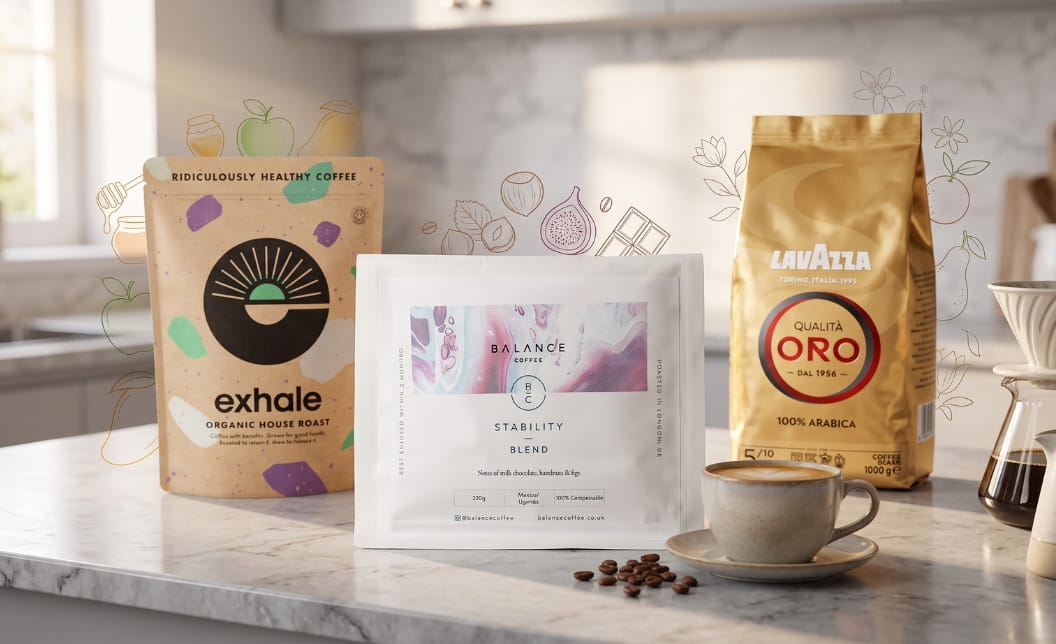
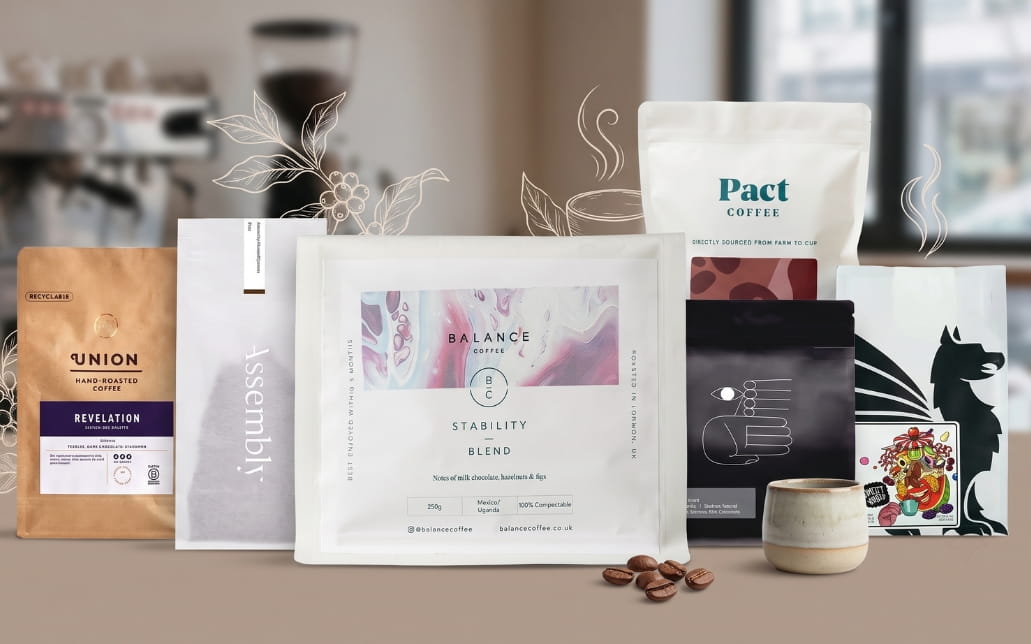
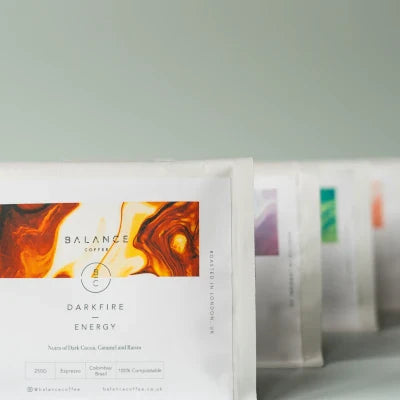
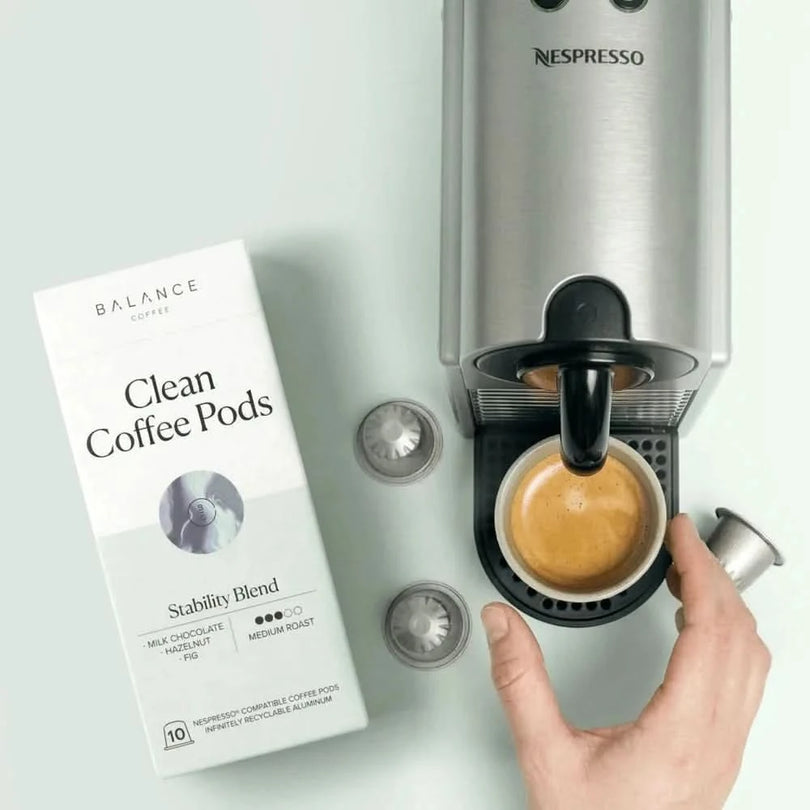
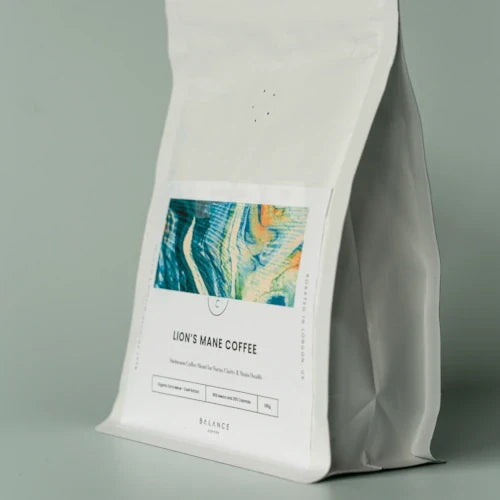
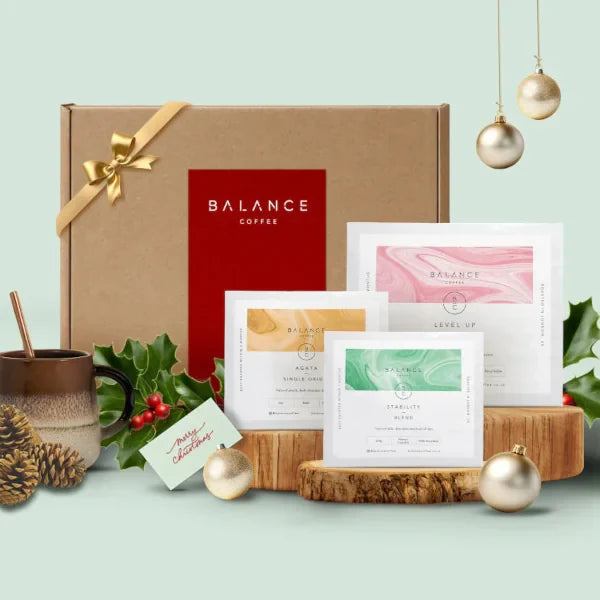
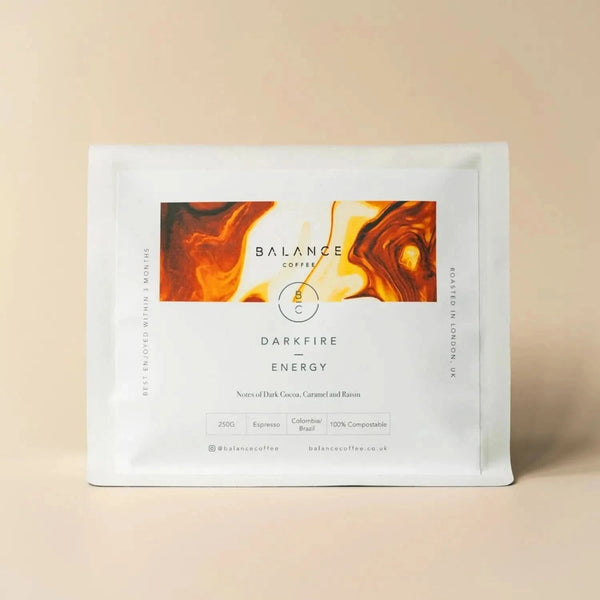
Balance Coffee Stability Blend
This is our own product, published on our own site. Weigh what follows on the evidence, not on who wrote it. It sits outside the scored comparison above.
Balance Coffee's whole premise is clean coffee, roasted without cutting corners on what goes into the bag.

The Stability Blend uses certified-organic beans from Uganda and Mexico, roasted to a medium profile. Expect milk chocolate, hazelnut, and a trace of dried fig.
Rave's SCA score tells you the cup is well-sourced. It says nothing about mould or pesticide residue.
Every batch we sell is independently lab tested for both, at a cost of over £400 per test.
Rave doesn't publish that kind of result. Neither does most of the industry. We do, and we show our working. For a closer look at how the three compare on testing, taste and price, read our rave vs origin vs balance coffee comparison.
Balance Coffee holds a 4.5-star rating on Trustpilot, which is visible on our own site.
Shop Stability Blend →1. Owens Organic - Jabulani Rwanda
How We Tested Owens Organic Jabulani Rwanda
We used a V60, a 15g dose, 250ml of water at 94°C, and a 3-minute pour. Beans arrived 3 to 6 days post-roast.
A secondary espresso brew was used to check how the coffee held up under pressure.

What We Like
- 100% certified organic and Fairtrade since the company's founding in 2010
- Bestseller Gara named UK's Best Organic Coffee by the Soil Association
- Jabulani specifically funds community projects in both Rwanda and Plymouth
What We Don't Like
- No independent lab testing for mycotoxins or pesticides, despite the organic certification
- Small-batch regional roastery, so range and stock availability are more limited than larger competitors
Origin, Flavour & Taste
Jabulani is grown by the mostly-female Twongerekawa Coko Cooperative in Rwanda's Gakenke District. Altitude here slows ripening and builds flavour.
Organic and Fairtrade certification confirms farming practice and pay.

Neither confirms independent lab testing of the finished roasted bean.
The cup carries a juicy, black-tea finish with ripe citrus and Champagne-like brightness. It suits both filter and espresso.
Customer Feedback
Owens Organic has built a loyal, long-standing regional following since 2010. We could not independently verify a specific reviewer quote for this piece.
Price
Verdict
Buy this if genuine organic and Fairtrade certification from a small, values-led roastery matters to you.
Skip this if you need published lab results; in that case, see Balance Coffee above.
2. Clifton Coffee - House Filter
How We Tested Clifton Coffee House Filter
We used a V60, a 15g dose, 250ml of water at 94°C, and a 3-minute pour. Beans arrived 2 to 5 days post-roast.
A secondary AeroPress brew checked the same coffee at a shorter contact time.

What We Like
- B Corp certified since 2023, with an SCA Premier Training Campus on site
- Its coffee lead is a UK Cup Tasters Champion and Q-Grader
- 90% of coffee bought directly from named producer partners
What We Don't Like
- No independent lab testing for mycotoxins or pesticides
- House Filter's origin rotates seasonally, so the exact bean changes through the year
Origin, Flavour & Taste
House Filter's origin changes with the harvest calendar. As of this check, it comes from Mount Sunzu Coffee in Mbala, northern Zambia.
Confirm the current origin on Clifton's own product page before publishing.

Direct sourcing relationships confirm ethical trade practice. They don't confirm what independent lab testing would.
On filter, the cup shows the floral clarity Clifton is known for, aromatics and body cleanly separated.
Customer Feedback
Clifton's reputation is built more on trade and hospitality clients than retail reviews.
We could not independently verify a specific reviewer quote for this piece.
Price
Verdict
Buy this if a competition-pedigree roastery with genuine B Corp certification appeals to you.
Skip this if you want a fixed, unchanging origin; in that case, Owens Organic above is more consistent.
3. Old Spike Roastery - Benedict Blend
How We Tested Old Spike Benedict Blend
We used a Sage Barista Express at an 18g dose and 38g yield over 28 seconds at 93°C.
Beans arrived 2 to 6 days post-roast. A secondary filter brew test assessed how it performed outside of espresso.

What We Like
- 65% of profits fund training and employment for people affected by homelessness
- UK's first speciality roastery to operate as a social enterprise
- Environmental commitments run alongside the social mission, not instead of it
What We Don't Like
- No organic certification and no independent lab testing for mycotoxins or pesticides
- Blend composition shifts seasonally, so the exact origin countries can change
Origin, Flavour & Taste
Benedict is named after St Benedict, patron saint of the homeless. It echoes Old Spike's own founding mission directly.
Current sourcing draws from Brazil and Nicaragua. Confirm the exact regions on Old Spike's product page, as these rotate by season.

The cup delivers dark chocolate, caramel, and toffee, working equally well with or without milk.
Customer Feedback
Kayla Kret reviewed on Coffeeopia: "One of my favourites for espresso. Every friend that came round absolutely loved this coffee."
Price
Verdict
Buy this if a genuine social mission behind your coffee matters as much as the cup itself.
Skip this if you want published lab results; in that case, see Balance Coffee above.
4. Caravan Coffee - Daily Blend
How We Tested Caravan Daily Blend
We used a Sage Barista Express at an 18g dose and 38g yield over 28 to 32 seconds.
Beans arrived 3 to 6 days post-roast. A secondary V60 brew checked the same coffee on filter.

What We Like
- Roasted on a Loring Smart Roaster at an 8,500 sq ft Islington facility
- Direct trade relationships across South America, Central America, and Africa
- Founded in 2010 by three restaurant industry veterans from New Zealand
What We Don't Like
- No organic certification and no independent lab testing for mycotoxins or pesticides
- Retail bags play a smaller role than Caravan's restaurant business
Origin, Flavour & Taste
Daily is built around producer partnerships Caravan has held for years, sourced for a traceable, consistent everyday cup.
Direct trade sourcing is a genuine ethical signal. It is not the same as a published toxin test.

The cup is thick-bodied with low acidity and a clean finish, built for both espresso and filter.
Drinkers moving away from Union's dark, treacle-forward Revelation blend often land here, our guide to leaving Union Coffee behind piece breaks down why.
Customer Feedback
Caravan's coffee is best known through its eight London restaurants rather than standalone retail reviews.
We could not independently verify a specific reviewer quote for this piece.
Price
Verdict
Buy this if a reliable, low-fuss everyday espresso from an established London roastery suits you.
Skip this if you want a brand built primarily around retail coffee, not restaurants.
People Also Ask (FAQ)
What are the best Rave Coffee alternatives?
Balance Coffee, Owens Organic, Clifton Coffee, Old Spike Roastery, and Caravan Coffee all offer genuine alternatives. Owens Organic and Clifton tied highest at 72, both certified in ways Rave isn't. Old Spike and Caravan both scored 65. Each brand suits a different priority, from certified organics to social impact to a big-city roastery.
Is Rave Coffee worth it?
Rave is a legitimate, well-reviewed UK roastery with a real, published SCA sourcing standard of 82 or higher. Its roastery also holds Soil Association organic certification. It does not publish independent lab testing for mycotoxins or pesticides. Some recent reviews also mention slower delivery following a price increase, worth checking before you subscribe.
What is the cheapest alternative to Rave Coffee?
Of the four compared here, Old Spike's Benedict Blend starts at the lowest price, around £8.00 for 250g. That works out to roughly 58 pence a cup. Owens Organic starts close behind at £8.50, around 61 pence a cup. Clifton sits at £8.99, and Caravan runs the highest, at £8-£12 depending on the blend.
Does Rave Coffee taste good?
Rave has a strong TrustScore based on hundreds of reviews, with fresh roasting and flavour consistently praised. Its Signature Blend is positioned as a dependable daily pour rather than an experimental cup. Rave sources every blend to a minimum SCA score of 82, a genuine benchmark most competitors don't publish.
Are there UK alternatives to Rave Coffee with published lab results?
Yes. Balance Coffee is the only brand here with published, independent lab results for mould and pesticides. That test costs over £400 per batch. All four scored alternatives rely instead on certifications, sourcing standards, or social missions. Each is genuine in its own right, but none matches a published toxin test.
Conclusion
Every one of these Rave Coffee alternatives earned its place through real, checkable facts. None is here just to fill out a list.
If a published lab result matters more than a sourcing standard, Balance Coffee's Stability Blend has one.
Curious how all 15 brands compare? Our best coffee beans UK guide covers the complete list we have tested.